Language Matters: The Semantics and Politics of 'Assisted Dying'
Our lab publication reflects on the ways in which the language used to describe ‘assisted dying’ is itself a political choice with concrete implications. In short, language matters when thinking about assisted dying.
'You Don't Know Jack' by Barry Levinson
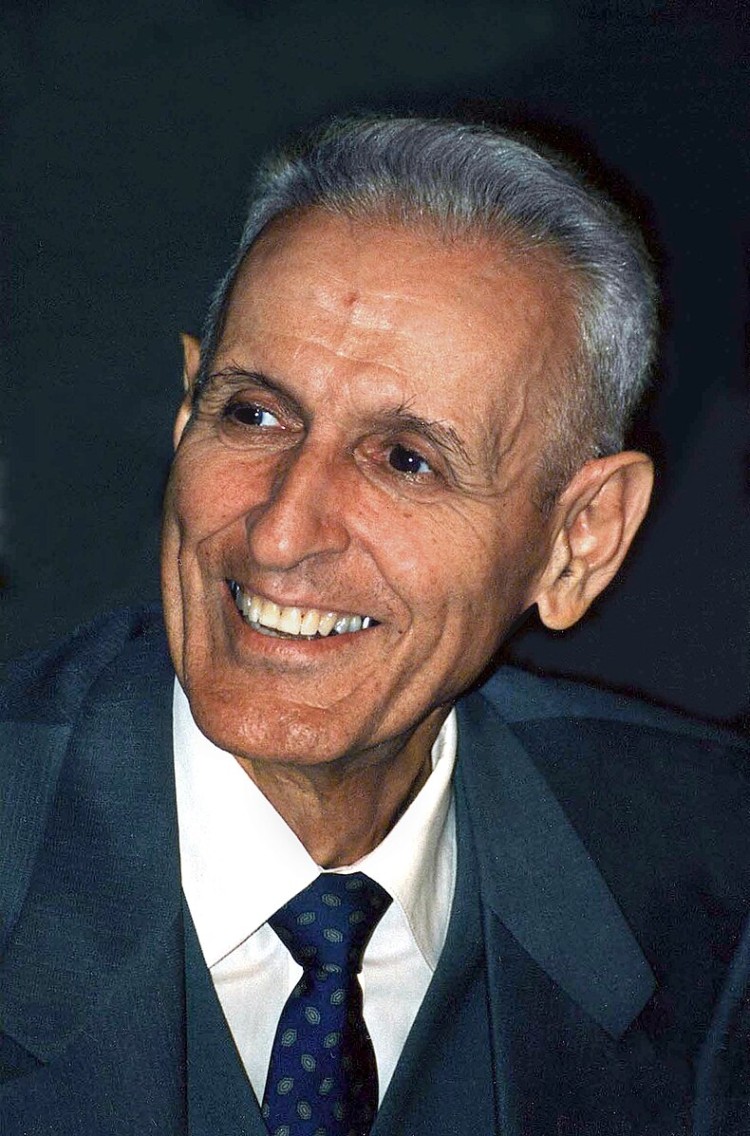
Barry Levinson (director), Adam Mazer (writer)
‘You Don’t Know Jack’ recounts the period in Dr. Jack Kevorkian’s life between 1990 when he assisted in the death of Janet Adkins and 1998 when, after assisting in over 100 deaths, he was convicted of second-degree murder for assisting in the death of Thomas Youk. The film portrays the controversial Kevorkian in a very flattering light, as an underdog and hero, and, above all, a caring doctor.
‘Wild and Precious Life’ / ‘A Mother’s Love’ by Deborah Ziegler

Deborah Ziegler
Deborah Ziegler’s book provides an intimate portrait of her daughter, activist Brittany Maynard, from childhood until her death. The book became somewhat controversial due to Brittany’s reported desire that her mother not tell her story. Nonetheless, through her involvement with Death With Dignity, Deborah Ziegler has become an important figure in the US assisted dying lobby.
'Blackbird' by Roger Mitchell
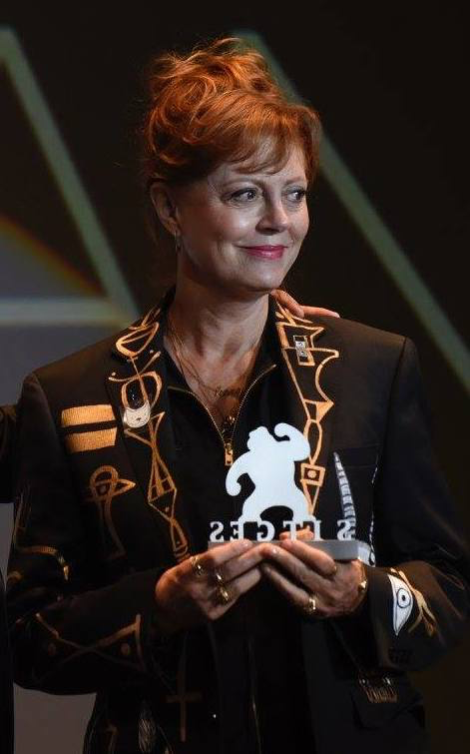
Roger Mitchell (director) & Christian Torpe (writer)
Lily, the matriarch of her family, is diagnosed with ALS and takes the decision to end her life with the help of her spouse, Paul. The film follows her as she invites her family for a final weekend together in their beach home, where the different ways in which the family members deal with Lily’s planned death are shown.
'How to die in Oregon' by Peter Richardson

Peter Richardson (director)
This documentary follows the stories of a number of individuals in Oregon who have chosen to, or are considering, making use of the state’s death with dignity law. Through these stories, it paints the legalization of assisted suicide in an extremely positive light, demonstrating the gratitude and relief of individuals who can legally access medications which will end their lives.
'Million Dollar Baby' by Clint Eastwood

Clint Eastwood (director and producer), Paul Haggis (screenwriter)
In this sports drama, Maggie Fitzgerald rises through the boxing ranks with the guidance of trainer Frankie Dunn and his long-time friend Scrap before becoming a quadriplegic from an injury sustained in a fight. The film garnered critical acclaim and won four Academy Awards, including for Best Picture, but drew criticism from disability rights activists for its portrayal of disability.
'Last Flight Home' by Ondi Timoner

Ondi Timoner (director)
Ondi Timoner tells the story of her father, Eli Timoner, a former entrepreneur and founder of an airline, who chooses to end his life by medical assistance in dying under California’s End of Life Option Act.
'In Love: A Memoir of Love and Loss' by Amy Bloom

Amy Bloom
In her memoir In Love, Amy Bloom recounts the story of her husband’s death at Dignitas, an accompanied suicide organization in Switzerland, after his diagnosis with early-onset Alzheimer’s disease. Woven into Amy’s account of Brian’s illness and death are poignant and darkly funny vignettes of their marriage, and of Amy’s struggle to fulfil Brian’s request for an assisted death.
'This is Cancer in The End' by Amanda Villegas
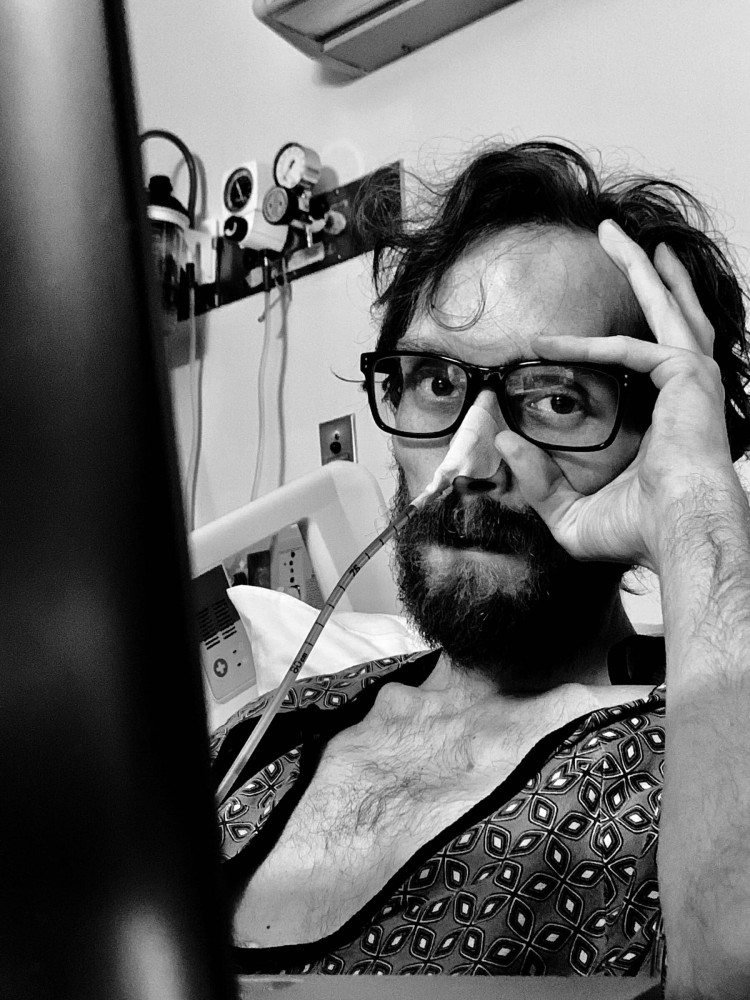
Amanda Villegas
In this series of photographs, Amanda Villegas documents the final days in the life of her husband, Chris Davis, as he dies from bladder cancer. Although Chris wanted to access medical aid in dying, he was unable to do so because of misinformation and procedural requirements in California’s End of Life Option Act at the time of his death.
‘The Brittany Maynard Story’ by Brittany Maynard
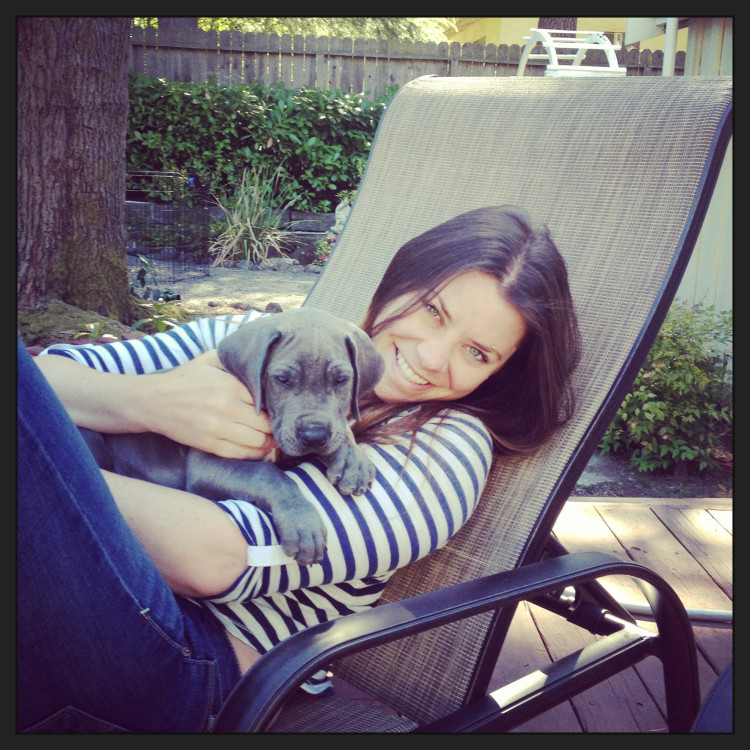
Brittany Maynard
In this short video, 29-year-old Brittany Maynard shares her story of being diagnosed with terminal brain cancer and of moving to Oregon to access assisted dying. By making this video, Brittany sought to spark legislative change. Just one year after her death, California’s End of Life Option Act was signed into law, and her story continues to have an impact on assisted dying debates today.
'La luz difícil' by Tomás González

Tomás González
Suffering unbearable pain after a traffic accident left him paraplegic, Jacobo has decided to die in Oregon, where a doctor is willing to assist him; in the meantime, his Colombian-immigrant parents anxiously await news in NYC. Told from the perspective of the painter David, Jacobo’s ageing father, González’s 2011 novel has sparked discussions about assisted dying in Colombia and beyond.
'The Room Next Door' by Pedro Almodóvar and Sigrid Nunez
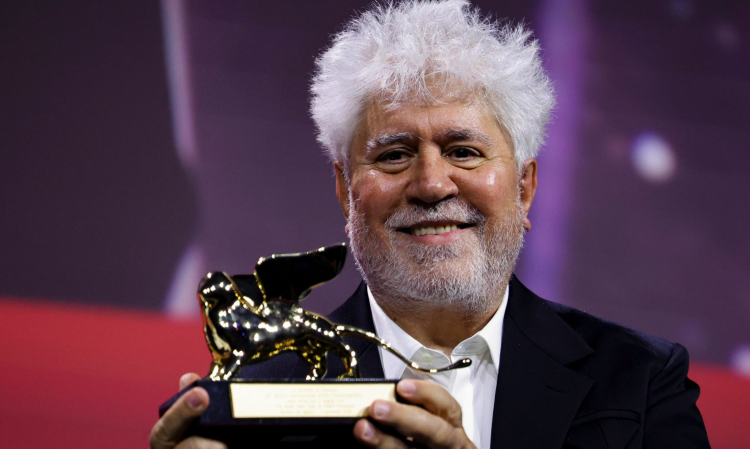
Pedro Almodóvar
Spanish director Pedro Almodóvar’s 2024 adaptation of American author Sigrid Nunez’s novel ‘What Are You Going Through’ (2020) recounts Ingrid’s decision to care for her dying friend. The film portrays assisted dying positively by framing Ingrid’s decision to assist her friend’s death as motivated by compassion as legalization is being debated in the state of New York.
'Life After' by Reid Davenport
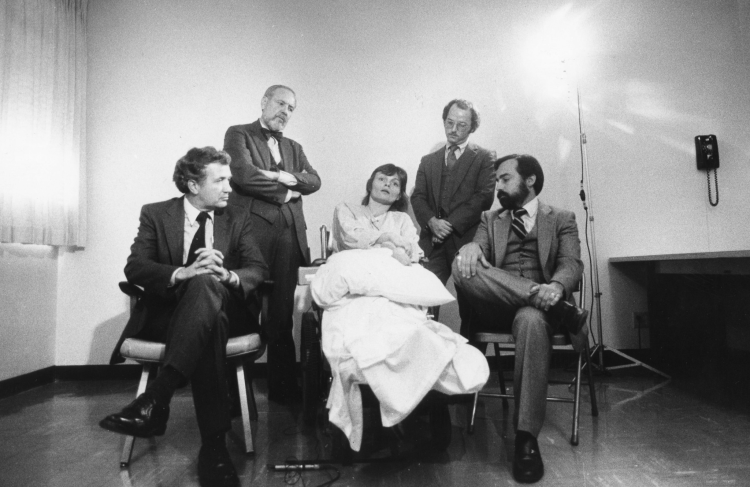
Reid Davenport (director)
In this documentary, American filmmaker Reid Davenport tells the story of Elizabeth Bouvia who wanted a legal assisted death in the 1980s in California. Through this case and more recent ones, he shows how decisions around assisted death are complicated for people with disabilities by ableism and a lack of access to care, contributing to ongoing debates about expanding access to assisted death.
'Translúcido' by Leonard Zelig

Leonard Zelig (director)
Diagnosed with terminal pancreatic cancer, Rubén, an Ecuadorian immigrant living in NYC, decides to forgo palliative treatment and end his own life with an overdose of heroin, assisted by a few friends. Co-produced by Ecuador, Venezuela, and the USA, this film has reverberated differently in the three countries, which have divergent laws regarding assisted dying.