'A Message to the Standing Committee on Justice and Solicitor General' by Sue Rodriguez
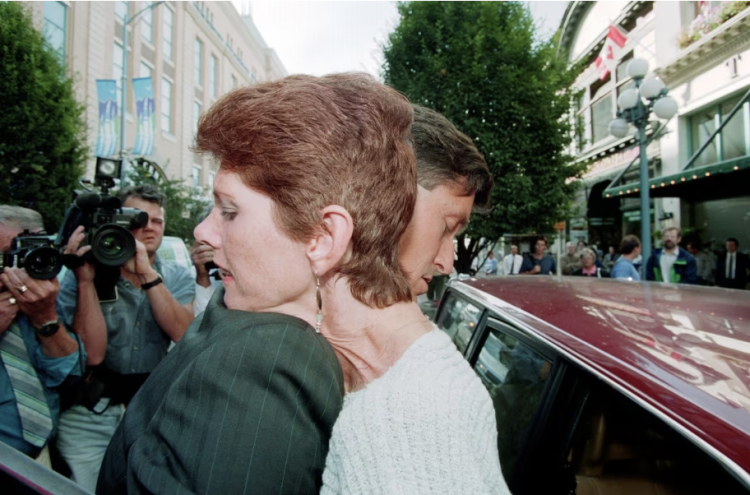
Sue Rodriguez
In this videotaped address to Parliament, Sue Rodriguez, who was dying of ALS and wanted an assisted death, asks ‘If I cannot give consent to my own death […] who owns my life?’ While the Supreme Court of Canada heard her case in 1993 and ultimately decided against her, the publicization of Rodriguez’s story informed much public thinking about assisted dying laws in Canada.
'Blackbird' by Roger Mitchell
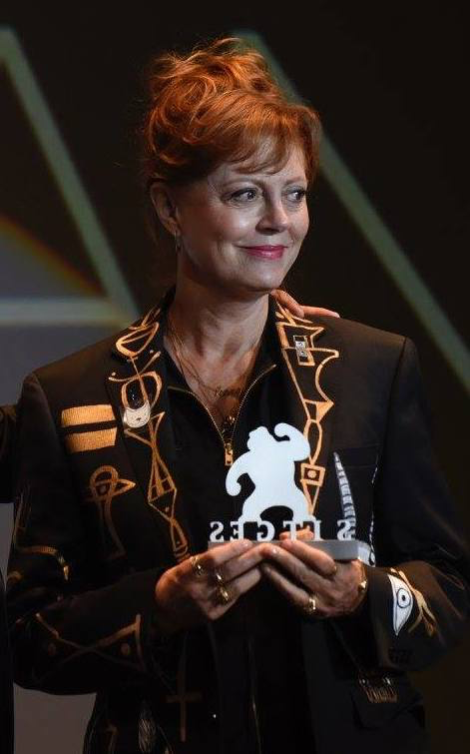
Roger Mitchell (director) & Christian Torpe (writer)
Lily, the matriarch of her family, is diagnosed with ALS and takes the decision to end her life with the help of her spouse, Paul. The film follows her as she invites her family for a final weekend together in their beach home, where the different ways in which the family members deal with Lily’s planned death are shown.
'In memory of Dr. Donald Low' by Canadian Partnership Against Cancer

Canadian Partnership Against Cancer
In his video-plea for medical aid in dying, filmed 8 days before his passing from a brain-stem tumour, Dr. Donald Low spoke about his worry over a protracted-out process and his frustration with not being able to decide when to die. Released by the Canadian Partnership Against Cancer, his frank testimony was widely cited by lawmakers, leading up to the legalization of MAiD in Canada in 2016.
'Last Flight Home' by Ondi Timoner

Ondi Timoner (director)
Ondi Timoner tells the story of her father, Eli Timoner, a former entrepreneur and founder of an airline, who chooses to end his life by medical assistance in dying under California’s End of Life Option Act.
'Manon' by André St-Pierre et al.

André St-Pierre (director), Benoît Dutrizac (interviews), Manon Brunelle (contributor), et al.
The 2004 TV documentary ‘Manon’ chronicles the journey of Manon Brunelle, a Canadian citizen living with multiple sclerosis, as she sought assisted suicide in Switzerland. Her story served as a powerful catalyst for public and political discourse on end-of-life care in Québec, influencing the legislative discussions that led to Bill 52 and to legal medical aid in dying in Canada.
'Million Dollar Baby' by Clint Eastwood
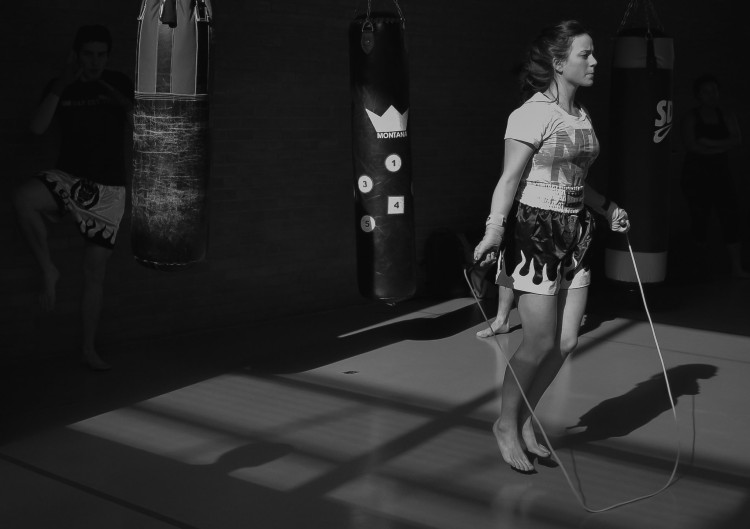
Clint Eastwood (director and producer), Paul Haggis (screenwriter)
In this sports drama, Maggie Fitzgerald rises through the boxing ranks with the guidance of trainer Frankie Dunn and his long-time friend Scrap before becoming a quadriplegic from an injury sustained in a fight. The film garnered critical acclaim and won four Academy Awards, including for Best Picture, but drew criticism from disability rights activists for its portrayal of disability.
'Plan 75' by Chie Hayakawa

Chie Hayakawa (director and writer), Jason Grey (writer)
In a dystopian scenario, the Japanese government initiates Plan 75, and all citizens over 75 are given the option to be euthanized in exchange for 100’000 Yen to alleviate the socio-economic burden from an ageing population. The film follows elders and administrators of Plan 75 as they go through the steps of offering and accepting the plan.
'Supernova' by Harry Macqueen
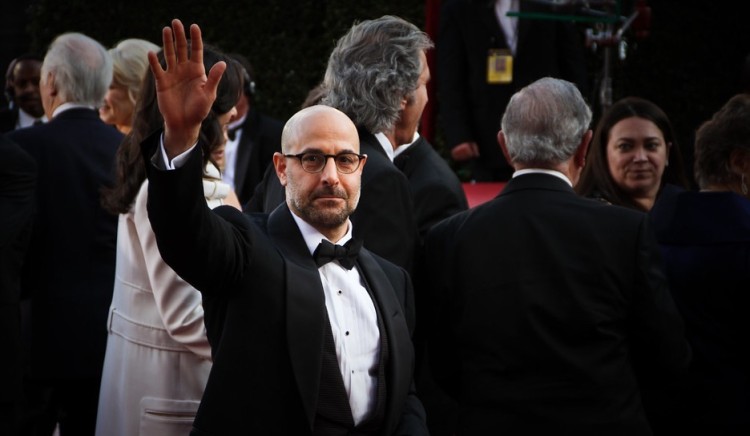
Harry Macqueen
Tusker and Sam, romantic partners for over twenty years, face Tusker’s early onset dementia diagnosis by taking a road trip around the United Kingdom to visit their favourite places. All is well until Sam discovers that Tusker plans to end his life before he is dependent on others for his personal care.
'The Life and Death of Gloria Taylor' by The Fifth Estate, CBC News

The Fifth Estate, CBC News
This documentary follows the final year in the life Gloria Taylor, a plaintiff in the court case that led to the legalization of medical assistance in dying in Canada. The film provides an overview of debates prior to legalization by documenting Gloria’s experience with amyotrophic lateral sclerosis, her legal team’s approach, and the response of those who oppose her case.