'Accabadora' by Michela Murgia
Michela Murgia
Michela Murgia’s novel ‘Accabadora’ follows Maria, a ‘soul-child’ informally adopted by Bonaria, a seamstress who is also a traditional Sardinian mercy-killer. Blending folklore with the post-war reality of the 1950s, the book explores motherhood, invisible female labour, and the ethics of euthanasia, and is often evoked in the contemporary Italian cultural and legal debate on assisted suicide.
'After' by Nikki Gemmell

Nikki Gemmell
This memoir by Nikki Gemmell explores her mother Elayn’s unexpected suicide in reaction to chronic pain and the subsequent fallout. Elayn was a member of Exit International and Gemmell’s high-profile story was part of the national conversation on legalising assisted dying in Australia.
'Deséenme un buen viaje' by Gina Montaner
Gina Montaner
About to turn 79 and suffering from what seemed to be Parkinson’s, the Cuban-Spanish writer Carlos Alberto Montaner asked his daughter to help him seek an assisted death. In this memoir, Gina Montaner recounts how her father, as a political exile, fought for democratization in Cuba and, as a naturalized citizen, for the right to access legal euthanasia in Spain.
'Ik omhels je met duizend armen' by Ronald Giphart
Ronald Giphart
A woman suffering from multiple sclerosis seeks euthanasia. Her son Giph, a writer, recounts the decision-making process and how doctors perform the act during a period when there was no law yet, but they were permitted to do so without risking prosecution. The novel presents an ambivalent perspective on autonomy and dependency, but ultimately offers a distinctly positive view of assisted dying.
'Komt een vrouw bij de dokter' by Kluun
Kluun
In this novel, Stijn, a wealthy and successful man in advertising, struggles to cope with his wife Carmen’s cancer diagnosis and illness, and ultimately begins a passionate affair with another woman. As Carmen chooses to end her life, assisted death is one of the novel’s topics; yet, readers and viewers of the film adaptation had more to say about Stijn’s behaviour and actions than Carmen’s.
'La luz difícil' by Tomás González

Tomás González
Suffering unbearable pain after a traffic accident left him paraplegic, Jacobo has decided to die in Oregon, where a doctor is willing to assist him; in the meantime, his Colombian-immigrant parents anxiously await news in NYC. Told from the perspective of the painter David, Jacobo’s ageing father, González’s 2011 novel has sparked discussions about assisted dying in Colombia and beyond.
'Lecretia's Choice' by Matt Vickers

Matt Vickers
In this heartfelt memoir, Matt Vickers recounts how he and his wife, prominent lawyer Lecretia Seales who was diagnosed with a brain tumour, fought in the Aotearoa/New Zealand High Court to allow her to choose when she died. Although her case was rejected, Seales’s story influenced subsequent legalisation in the country.
'Los' by Tom Naegels
Tom Naegels
Antwerp journalist Tom’s grandfather, Bob, has cancer and would like to receive euthanasia. However, he does not meet the criteria of hopeless and unbearable suffering set by Belgian law. Although Tom and his mother advocate for Bob’s right to self-determination, this has little effect. The novel provides a critical reflection of the criteria outlined in Belgian euthanasia law.
'O último abraço' by Vitor Hugo Brandalise
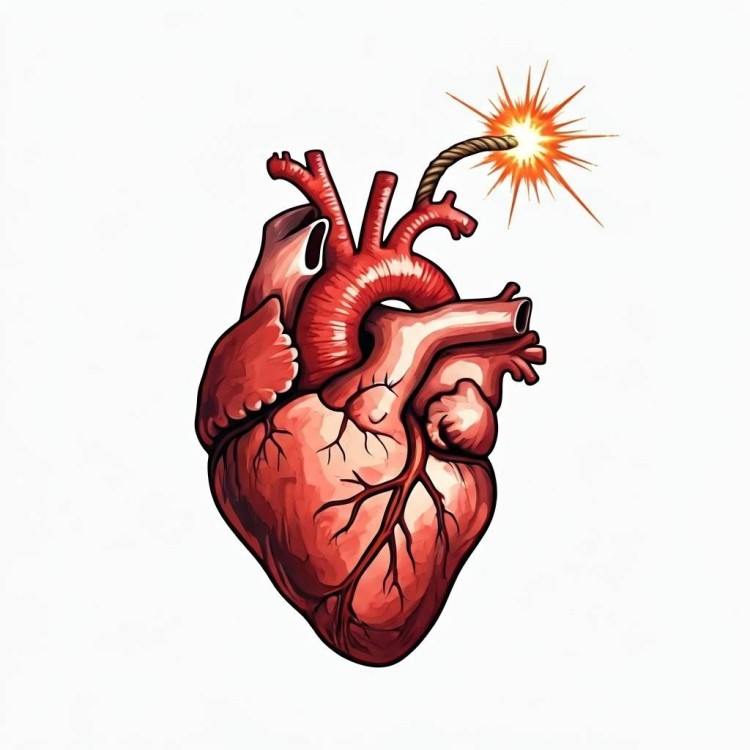
Vitor Hugo Brandalise
In 2014, 74-year-old Nelson Golla complied with his wife Neusa’s request to die; Neusa was 72 and being fed through a nasogastric tube at a nursing home. Nelson hugged his wife and placed a homemade bomb between them, which killed Neusa and hurt him. The case is reconstructed by Vitor Hugo Brandalise in this book-length investigation, which fomented a debate about old age and euthanasia in Brazil.
'Schlemm' by Nicola Bardola

Nicola Bardola
The elderly spouses Paul and Franca Salamun have decided to die together with the help of an assisted dying organisation. Paul suffers from bladder cancer, Franca is tired of living and does not want to stay behind without her husband. Although their son Luca can understand the decision, it is difficult for him to find a way to emotionally process her death.
'The Easy Way Out' by Steven Amsterdam
Steven Amsterdam
Written by a writer who is also a palliative care nurse, this tragicomic novel examines what life might be like for someone working as a dying assistant if Australia legalised assisted dying. It was published in 2016, just as Australia was beginning to seriously consider legalisation at both the state and federal level.
‘Wild and Precious Life’ / ‘A Mother’s Love’ by Deborah Ziegler
Deborah Ziegler
Deborah Ziegler’s book provides an intimate portrait of her daughter, activist Brittany Maynard, from childhood until her death. The book became somewhat controversial due to Brittany’s reported desire that her mother not tell her story. Nonetheless, through her involvement with Death With Dignity, Deborah Ziegler has become an important figure in the US assisted dying lobby.
'All of Us' by Willem Wallyn
Willem Wallyn (director)
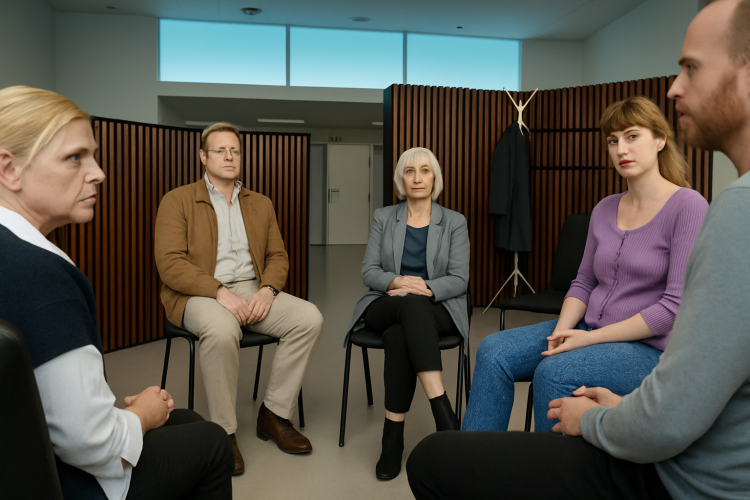
‘All of Us’ is the story of terminally ill Cathy, who suffers from breast cancer. She joins a self-help group consisting of Vince, Lizzy and Philippe and led by therapist Els, who herself is in a full mid-life crisis. Blending emotion with humour, the film offers a moving reflection on mortality, vulnerability, and human connection.
'De Goede Dood' by Wannie de Wijn
Wannie de Wijn (director)
When Bernard, who suffers from lung cancer, chooses to have an assisted death, his decision exacerbates tensions within his family, who gather on his final day. This film portrays a range of human responses to assisted death, thereby exploring grief and inviting audiences to reflect on assisted death.
'Epilogue' by Manno Lanssens

Manno Lassens (director and writer)
This documentary records the last seven months of Neel Couwel’s life – at 50 Neel, who was battling gastro and oesophageal cancer, decided to end her life through legal euthanasia. Through its intimate portrayal of how Neel and her family coped with the situation and her decision, ‘Epilogue’ encourages viewers to see euthanasia as a way to maintain dignity and comfort in one’s final moments.
'Esther's Story' by Julia Sartorio
Julia Sartorio (producer), Miriama Kamo (presenter)
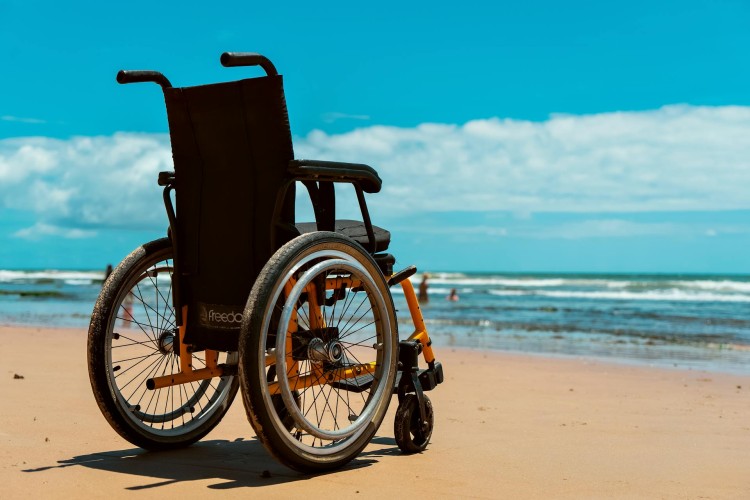
Part of the weekly ‘Sunday’ programme on TVNZ, this short documentary segment follows assisted dying campaigner and cancer patient Esther Richards in the days before her assisted death. Broadcast just 6 months after assisted dying was legalised in Aotearoa/New Zealand, the segment hints at the challenges and moral ambiguities of Esther’s decision but predominantly publicises the new right to die.
'How To Die: Simon's Choice' by Rowan Deacon
Rowan Deacon (director)
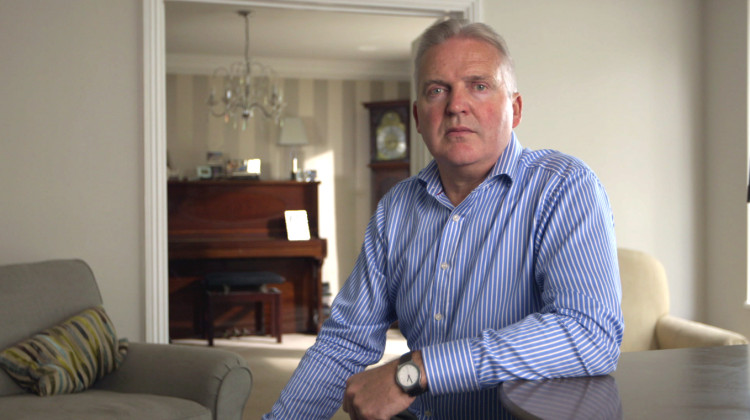
This primetime television documentary follows UK resident Simon Binner, diagnosed with an aggressive form of motor neurone disease (also known as amyotrophic lateral sclerosis), as he and those around him deal with his swiftly progressive illness and his decision to end his life through an assisted death in Switzerland.
'Last Flight Home' by Ondi Timoner

Ondi Timoner (director)
Ondi Timoner tells the story of her father, Eli Timoner, a former entrepreneur and founder of an airline, who chooses to end his life by medical assistance in dying under California’s End of Life Option Act.
'Les mots de la fin' by Gaëlle Hardy and Agnès Lejeune
Gaëlle Hardy (director and writer), Agnès Lejeune (director and writer)
Marking almost twenty years since the introduction of euthanasia in Belgium, this documentary provides insights from the office of Dr Damas, a physician responsible for assisted dying in a Belgian public hospital.
'October' by Shoojit Sircar

Shoojit Sircar (Director), Juhi Chaturvedi (Writer)
In ‘October,’ Dan gets attached to his coworker Shiuli while waiting for her to recover from a deep coma. During this wait, Dan and Shiuli’s family have multiple conversations about the possibility of ‘pulling the plug.’ ‘October’ subtly broaches the topic of passive euthanasia, and ultimately affirms conventional beliefs held in India about the sacredness of life.
'Simon' by Eddy Terstall
Eddy Terstall (director and writer)
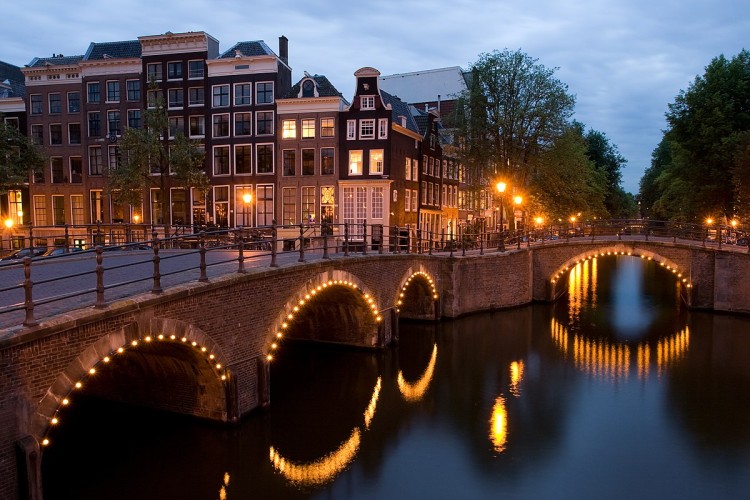
Free-spirited Amsterdam resident Simon suffers from cancer and requests euthanasia, which is possible under Dutch law. The doctor complies with Simon’s request. The film represents euthanasia as one of the major achievements of a free and liberal society, with several progressive politicians citing it as a reflection of Dutch freedoms and values.
'‘T Is Goed Zo' by Jesse van Venrooij
Jesse van Venrooij (director)
This documentary follows the last three months of Eelco de Gooijer, a 38-year-old Dutch man suffering from severe mental health problems who decided to end his life by euthanasia. The film provides an intimate look at Eelco’s struggle with life, the support he has from his family regarding his decision, and how they cope after his death.
'The Mother Situation' by Matt Day
Matt Day (dir.)
In this short film, three adult siblings come together for their mother’s planned assisted death only to discover that she has changed her mind. A blackly comic look at the coercion that could emerge in assisted dying situations, made as Australia was beginning the legalisation process.
'Tout s’est bien passé' by François Ozon

François Ozon (director and writer), Emmanuèle Bernheim (writer), Philippe Piazzo (writer)
Following a transient ischemic attack, André Bernheim, the father of novelist Emmanuèle Bernheim, asks his daughter to help him end his life. This film adaptation of Bernheim’s novel follows Emmanuèle and her sister, Pascale, as they come to terms with their father’s decision and try to navigate the complex legalities that surround assisted dying for French citizens in Switzerland.
'Witte flits' by Laura Hermanides

Laura Hermanides (director and writer), Roelof Jan Minneboo (writer)
Rick has been suffering from severe psychological issues for twenty years. His persistent wish not to live any longer is acknowledged by a psychiatrist, who assists with his suicide. Rick is actively supported by his parents, who come to recognize the hopelessness of their son’s situation.