'Ana' blog by Ana Estrada
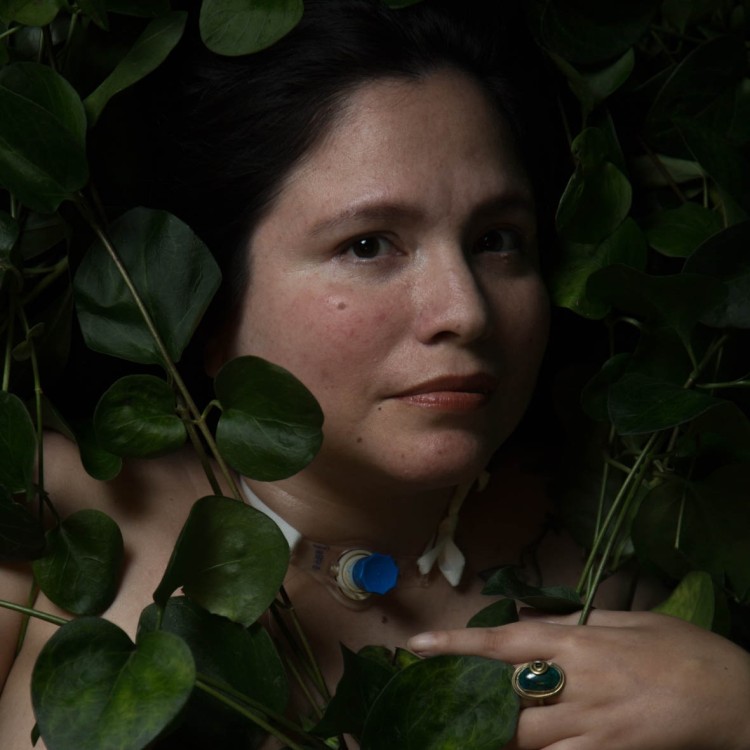
Ana Estrada
From 2019 to 2024, the personal blog of the psychologist Ana Estrada, typed with the one finger she could move, became a focal point of the debate on assisted dying in Peru. A chronicle of Estrada’s life with polymyositis and in palliative care, the blog supported her successful appeal for the right to die, creating a legal precedent in her country and sparking discussion far beyond.
'As intermitências da morte' by José Saramago
José Saramago
‘As intermitências da morte’ by Portuguese writer José Saramago explores the economic, political, religious, and ethical questions that would be raised if, suddenly, people stopped dying. Distinguishing between ‘to kill’ and ‘to give death’, this allegorical novel was invoked in the debate on the legalization of assisted dying in Portugal and of orthothanasia in Brazil.
'Cartas desde el infierno' by Ramón Sampedro
Ramón Sampedro
A collection of letters, poems, and essays, Ramón Sampedro’s ‘Cartas desde el infierno’ constitutes a philosophical treatise on the ethics of euthanasia. Written over decades – between the 1968 accident that left Sampedro tetraplegic and the 1996 first edition – the book became a landmark work on the right-to-die debate, influencing the 2021 legalization of assisted death in Spain.
'Cien cuyes' by Gustavo Rodríguez

Gustavo Rodríguez
Eufrasia Vela cares so well for the affluent elderly in Lima, that they start asking her to assist in their deaths – and the ensuing dilemmas propel Gustavo Rodríguez’s novel ‘Cien cuyes’. Approaching the problem of loneliness in aging societies with humour and without judgement, the novel has sparked debate on assisted dying at the nexus of class, caregiving, and community.
'Del otro lado del jardín' by Carlos Framb
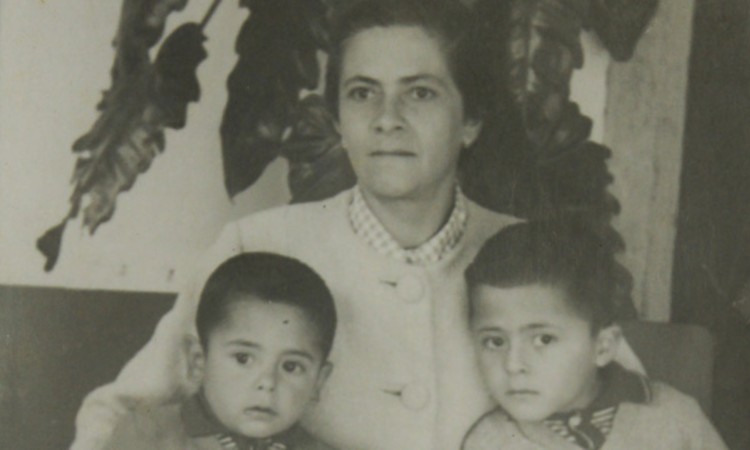
Carlos Framb
After assisting in his mother Luzmila Alzate’s death in 2007 and unsuccessfully attempting suicide, the poet Carlos Framb found himself accused of homicide. This memoir recounts Framb’s legal saga, his relationship with his mother, and defends the right-to-die in the context of Colombia, that had decriminalized euthanasia in 1997 but not yet created guidelines for assisted dying.
'Deséenme un buen viaje' by Gina Montaner
Gina Montaner
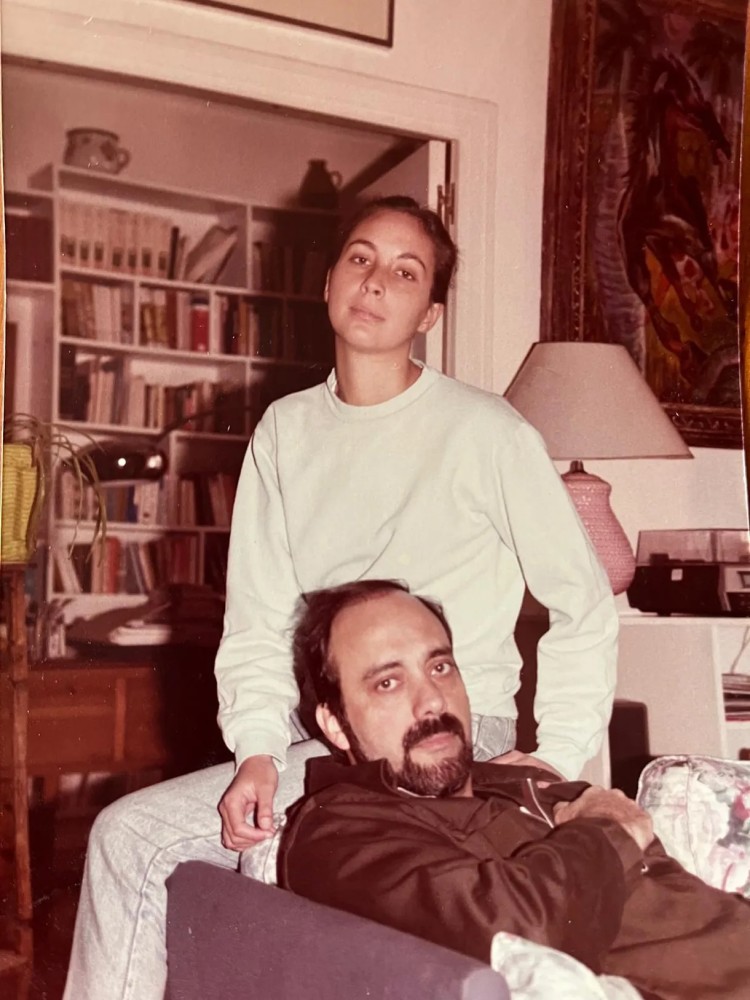
About to turn 79 and suffering from what seemed to be Parkinson’s, the Cuban-Spanish writer Carlos Alberto Montaner asked his daughter to help him seek an assisted death. In this memoir, Gina Montaner recounts how her father, as a political exile, fought for democratization in Cuba and, as a naturalized citizen, for the right to access legal euthanasia in Spain.
Goodbye letter by Antonio Cicero
Antonio Cicero
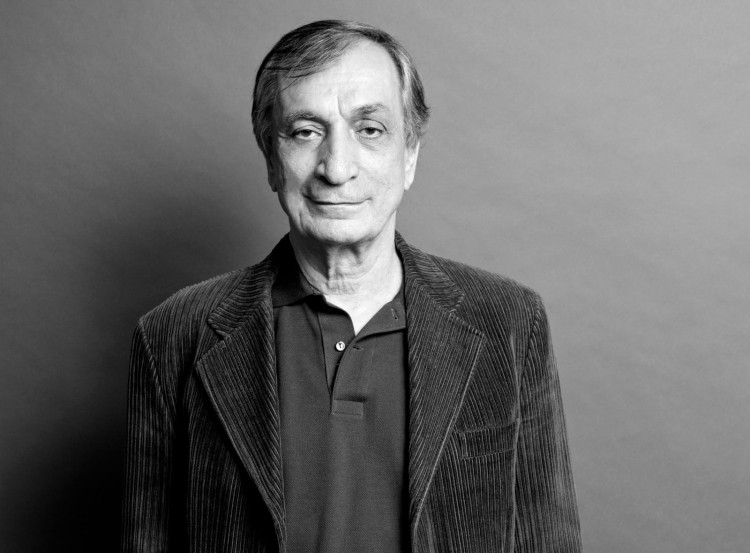
After the Brazilian poet and philosopher Antonio Cicero received a medically assisted death in Switzerland in 2024, multiple news sources reproduced his goodbye letter, in which the writer explains the reasons for ending his life. Cicero’s letter struck a nerve with Brazilian society, revealing the need to discuss the ethics and legality of self-determination in death in Brazil.
'La luz difícil' by Tomás González

Tomás González
Suffering unbearable pain after a traffic accident left him paraplegic, Jacobo has decided to die in Oregon, where a doctor is willing to assist him; in the meantime, his Colombian-immigrant parents anxiously await news in NYC. Told from the perspective of the painter David, Jacobo’s ageing father, González’s 2011 novel has sparked discussions about assisted dying in Colombia and beyond.
'Mala carne' by Sofía Almiroty

Sofía Almiroty
In Sofía Almiroty’s debut novel, Ariana takes her grandmother Rosa, whose skin is ravaged by a rare cancer, to say goodbye to the town where Rosa grew up; they hope to have enough morphine to keep the pain at bay. Set in Argentina, the novel was published in Spain, where assisted dying has been legal since 2021 – as opposed to Argentina, where it remains a crime.
'O último abraço' by Vitor Hugo Brandalise
Vitor Hugo Brandalise
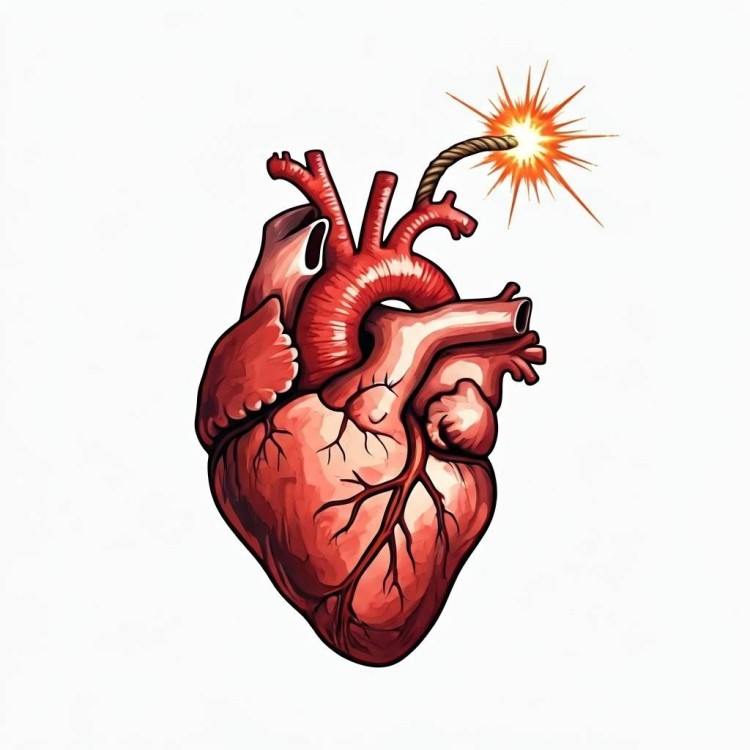
In 2014, 74-year-old Nelson Golla complied with his wife Neusa’s request to die; Neusa was 72 and being fed through a nasogastric tube at a nursing home. Nelson hugged his wife and placed a homemade bomb between them, which killed Neusa and hurt him. The case is reconstructed by Vitor Hugo Brandalise in this book-length investigation, which fomented a debate about old age and euthanasia in Brazil.
The last words of María Benito

María Benito
After a legal battle to ratify her right to refuse treatment, María Benito had her artificial vital support systems removed and died, becoming the second person in Peru to win a constitutional appeal for the right to die. Benito’s last words, communicated via a device that tracked her eye movements, were first shared on social media and then reported by multiple news sources.
'TI SI WHAT TI SI' by Paola Roldán
Paola Roldán
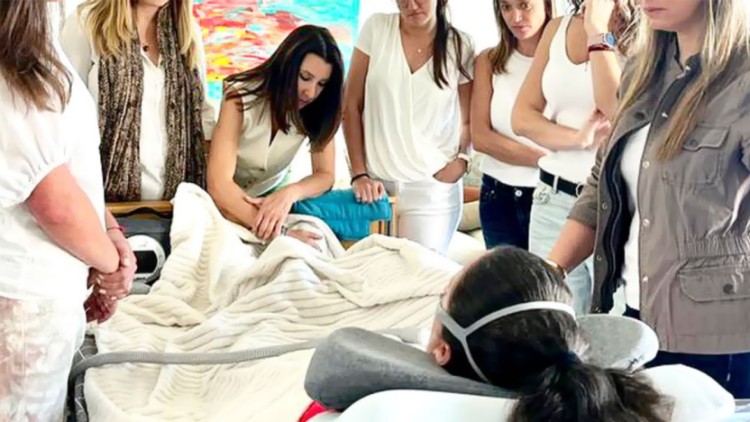
Published two years before her constitutional victory for the right to die, Paola Roldán’s memoir narrates her journey of self-discovery and of living with ALS, a chronic disease that left her paralyzed and dependent on a respirator. Dedicated to her son and having a spiritual dimension, the 2022 book helped promote Roldán’s plea for self-determination in Ecuador’s religious-political landscape.
'Ana' photographs by Jessica Alva Piedra
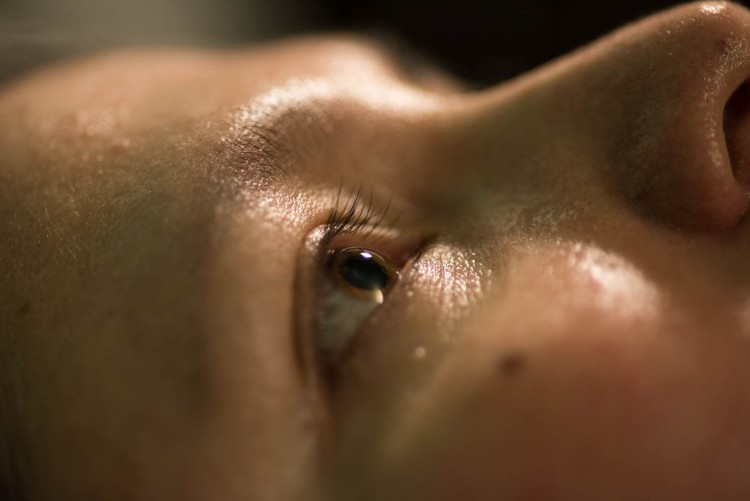
Jessica Alva Piedra
Between 2019 and 2020, the Peruvian photographer Jessica Alva Piedra collaborated with the psychologist Ana Estrada to portray Estrada’s life with polymyositis and in palliative care. The resulting photos, a testimony to Estrada’s agency to represent her own body while advocating for the right to die, appeared in Estrada’s blog, in a photobook, and in media outlets around the world.
'Del otro lado del jardín' by Daniel Posada

Daniel Posada (director and screenwriter), Ignacio del Moral (screenwriter)
The poet Carlos Framb wakes in a hospital bed, handcuffed and accused of homicide. He had attempted suicide after assisting his mother Luzmila Alzate to die, which he claims was an act of love. Inspired by Framb’s 2009 memoir by the same title, but with notable differences, this 2024 film turns a real story into a courtroom drama about the individual rights to death and to abortion.
'Justiça' by Manuela Dias

Manuela Dias (writer), José Luiz Villamarim (director)
Crossing the street to meet her husband Maurício, in front of the theatre where she stars as dancer, Beatriz is struck by a hit-and-run driver and left tetraplegic. She asks Maurício to help her end her life; he complies and is sent to jail for 7 years. This is a main storyline in ‘Justiça’, a TV series that reignited the debate on assisted death in Brazil, where the practice is illegal.
Noticias Caracol interview with Martha Sepúlveda
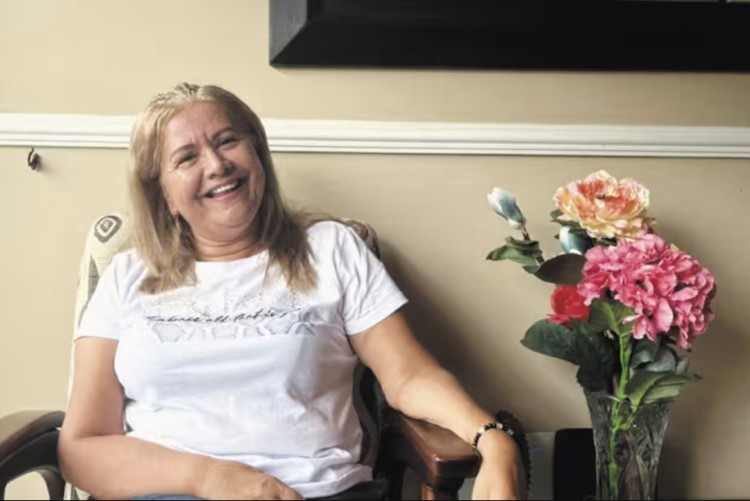
Martha Sepúlveda (interviewee), Juan David Laverde (interviewer)
In October 2021, Noticias Caracol aired an interview with Martha Sepúlveda, who expected to become the first non-terminal patient to have a legal euthanasia in Colombia. The interview went viral; Sepúlveda’s unworried attitude – smiling and seeing no conflict between her decision and her Catholic faith – caused controversy, and her euthanasia was cancelled before being reauthorized for 2022.
'Sonhar com Leões' by Paolo Marinou-Blanco
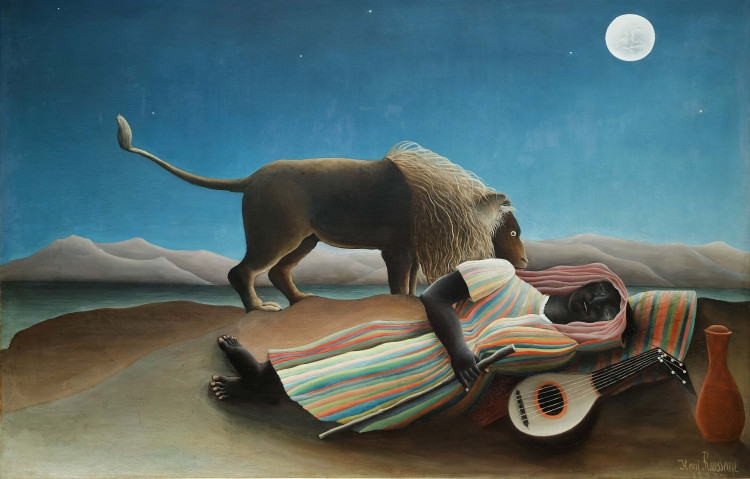
Paolo Marinou-Blanco (director)
Gilda, a Brazilian immigrant in Portugal, has an inoperable cancer and wants to die. After various failed suicide attempts, she joins the sketchy group Joy Transition International and meets Amadeu, a young undertaker who also wants to die. Their search for a peaceful death is the plot of this comedy that ends in Spain, where a doctor is willing to bend the euthanasia bureaucracies for immigrants.
'Translúcido' by Leonard Zelig
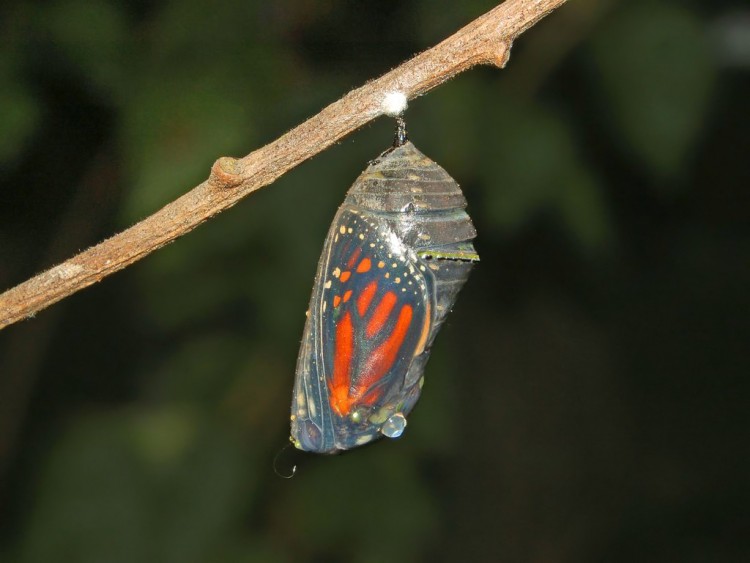
Leonard Zelig (director)
Diagnosed with terminal pancreatic cancer, Rubén, an Ecuadorian immigrant living in NYC, decides to forgo palliative treatment and end his own life with an overdose of heroin, assisted by a few friends. Co-produced by Ecuador, Venezuela, and the USA, this film has reverberated differently in the three countries, which have divergent laws regarding assisted dying.
'Celebraré mi muerte' by Marcos Hourmann
Marcos Hourmann
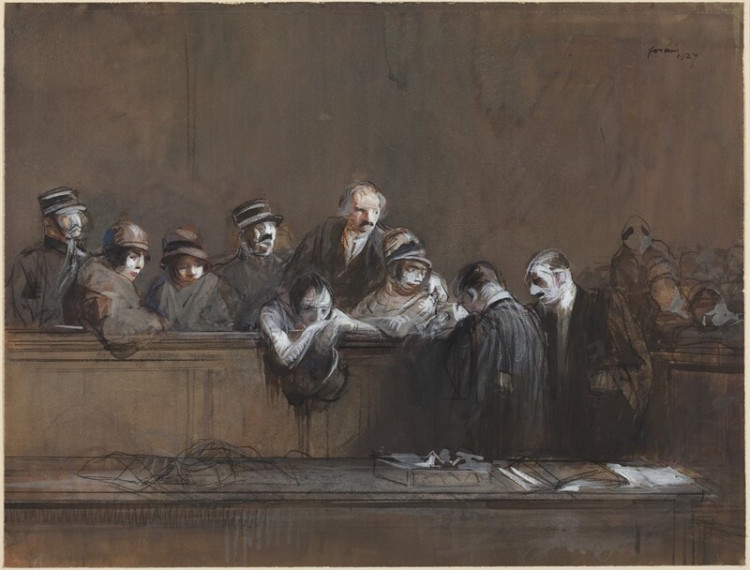
Dr. Hourmann’s monologue invites the audience to become the jury he never had. In 2005, after Hourmann helped 82-year-old Carmen die in a Spanish ER, he registered the procedure in her medical record. Hourmann was fired and sued by the hospital, eventually pleading guilty to avoid jail. When his story was exploited by a UK tabloid, he tried to regain narrative agency, staging his documentary play.
Carlos A. Pittella presented at Bielefeld University's MED METHODS workshop
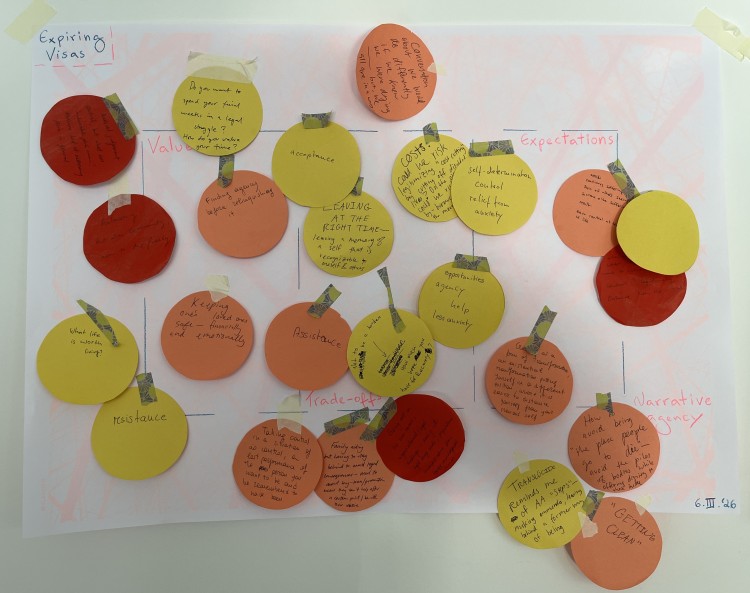
Carlos A. Pittella participated in the “MED METHODS” workshop held at Bielefeld University, on March 6, 2026. His intervention, titled “Expiring visas: Outlining the right to die through border-crossing narratives in Spanish and Portuguese,” invited participants to reimagine the bureaucratic borders of assisted dying, inspired by cultural objects reviewed in Assisted Lab’s Archive.
Carlos A. Pittella shared his research with Assisted Lab at University of St.Gallen
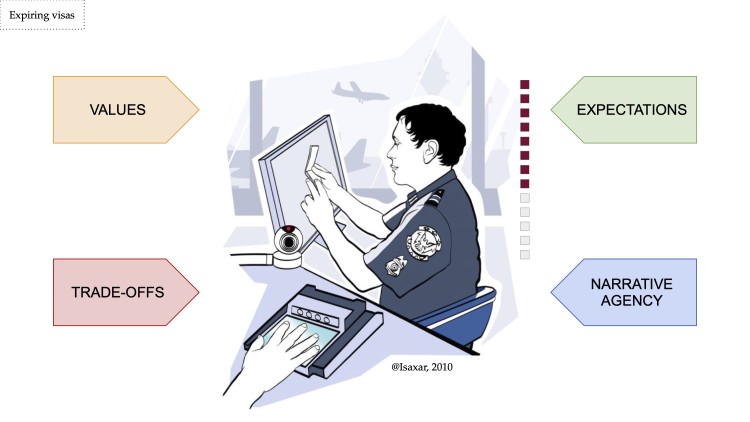
Carlos A. Pittella presented on his research with Assisted Lab to a group of HSG students and members of the Assisted Lab team, on February 27, 2026. The workshop focused on how MAiD is often framed as a border-crossing that requires a visa.