Assisted Lab’s Living Archive of Assisted Dying
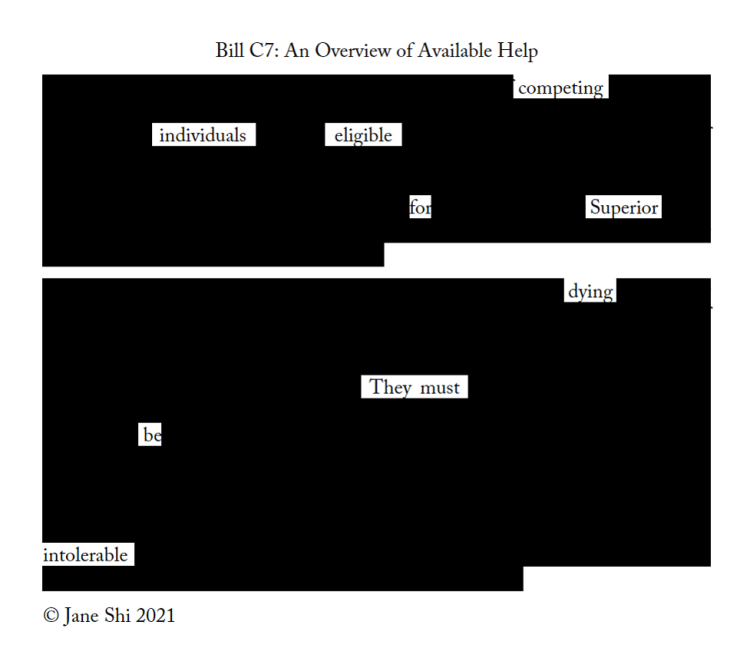
'Bill C7: An Overview of Available Help' by Jane Shi
Jane Shi
In a 10-word erasure poem entitled ‘Bill C7: An Overview of Available Help’, Jane Shi responds critically to the extension of Canada’s medical assistance in dying regime to include people whose death is not reasonably foreseeable, but who nevertheless have a serious medical condition.
'O dia em que Eva decidiu morrer' by Adriano Silva
Adriano Silva
After a stroke left her unable to work and dependent on others, a 74-year-old Brazilian philosopher referred to as ‘Eva’ decided to seek an assisted suicide in Switzerland, as the procedure is illegal in Brazil. Her real story forms the core of Adriano Silva’s 2025 book, which mixes journalism with activism to present a panorama of the right-to-die and promote this form of self-determination.
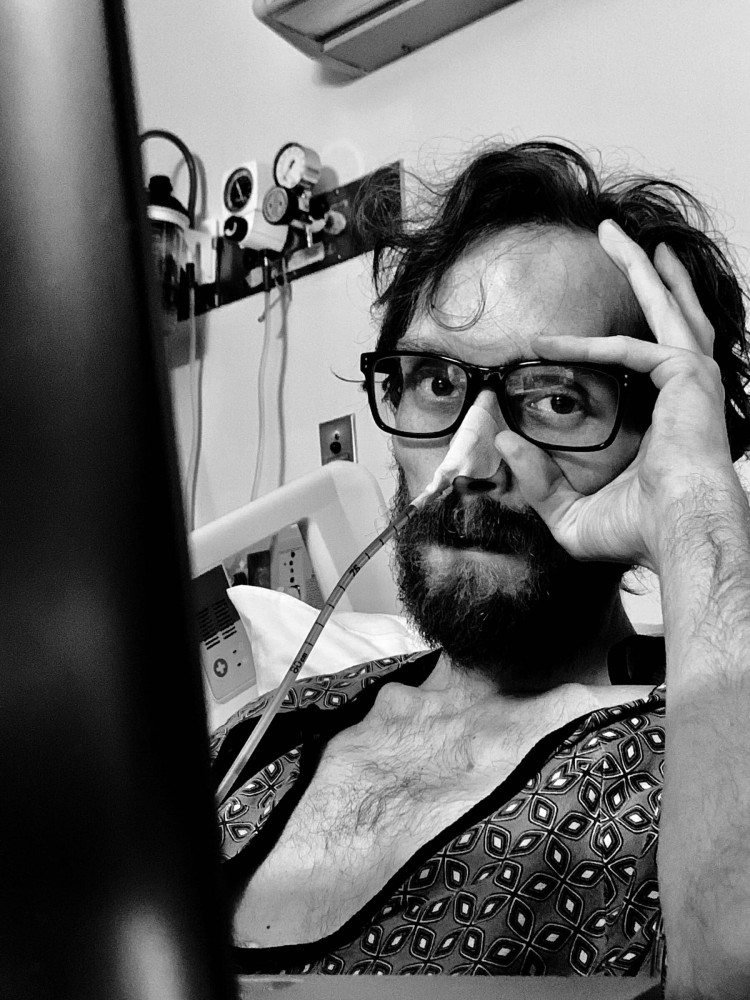
'Lecretia's Choice' by Matt Vickers

Matt Vickers
In this heartfelt memoir, Matt Vickers recounts how he and his wife, prominent lawyer Lecretia Seales who was diagnosed with a brain tumour, fought in the Aotearoa/New Zealand High Court to allow her to choose when she died. Although her case was rejected, Seales’s story influenced subsequent legalisation in the country.
'Ik omhels je met duizend armen' by Ronald Giphart
Ronald Giphart
A woman suffering from multiple sclerosis seeks euthanasia. Her son Giph, a writer, recounts the decision-making process and how doctors perform the act during a period when there was no law yet, but they were permitted to do so without risking prosecution. The novel presents an ambivalent perspective on autonomy and dependency, but ultimately offers a distinctly positive view of assisted dying.
'Dead at Noon' by Gillian Bennett

Gillian Bennett
Gillian Bennett took her own life in 2014, 3 years after being diagnosed with dementia. She posted an open letter online explaining her reasons and hoping to reignite the debate about assisted dying in Canada. The law changed soon after.
'Ana' blog by Ana Estrada
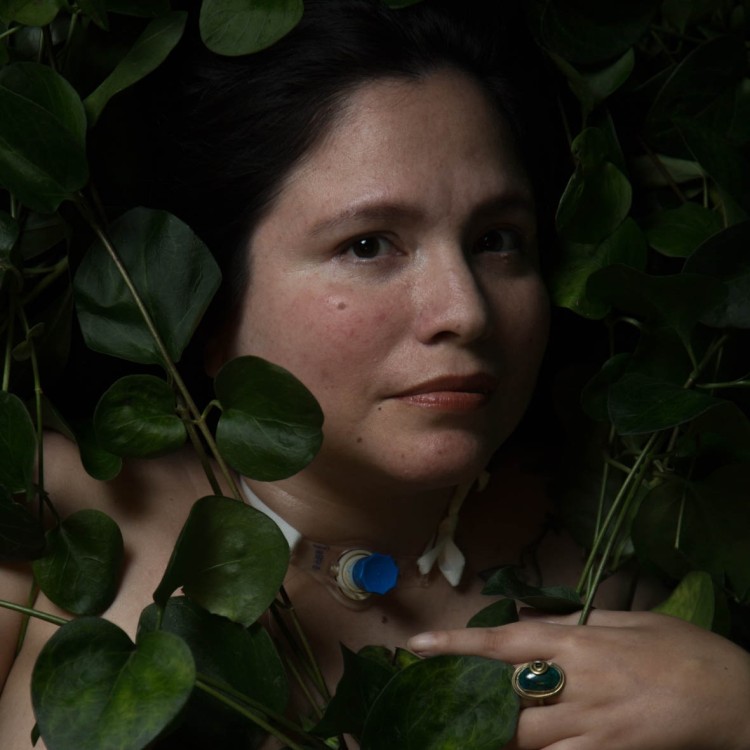
Ana Estrada
From 2019 to 2024, the personal blog of the psychologist Ana Estrada, typed with the one finger she could move, became a focal point of the debate on assisted dying in Peru. A chronicle of Estrada’s life with polymyositis and in palliative care, the blog supported her successful appeal for the right to die, creating a legal precedent in her country and sparking discussion far beyond.
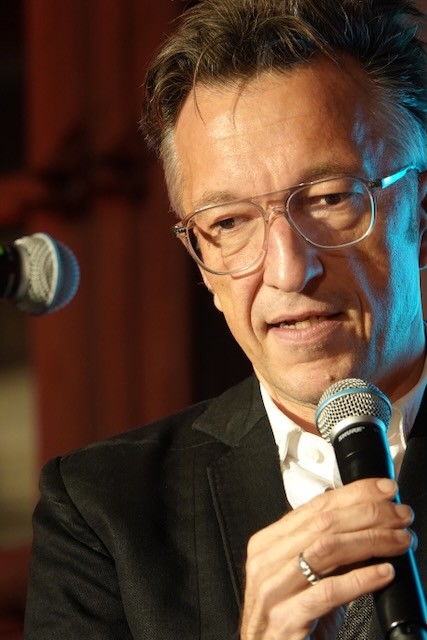
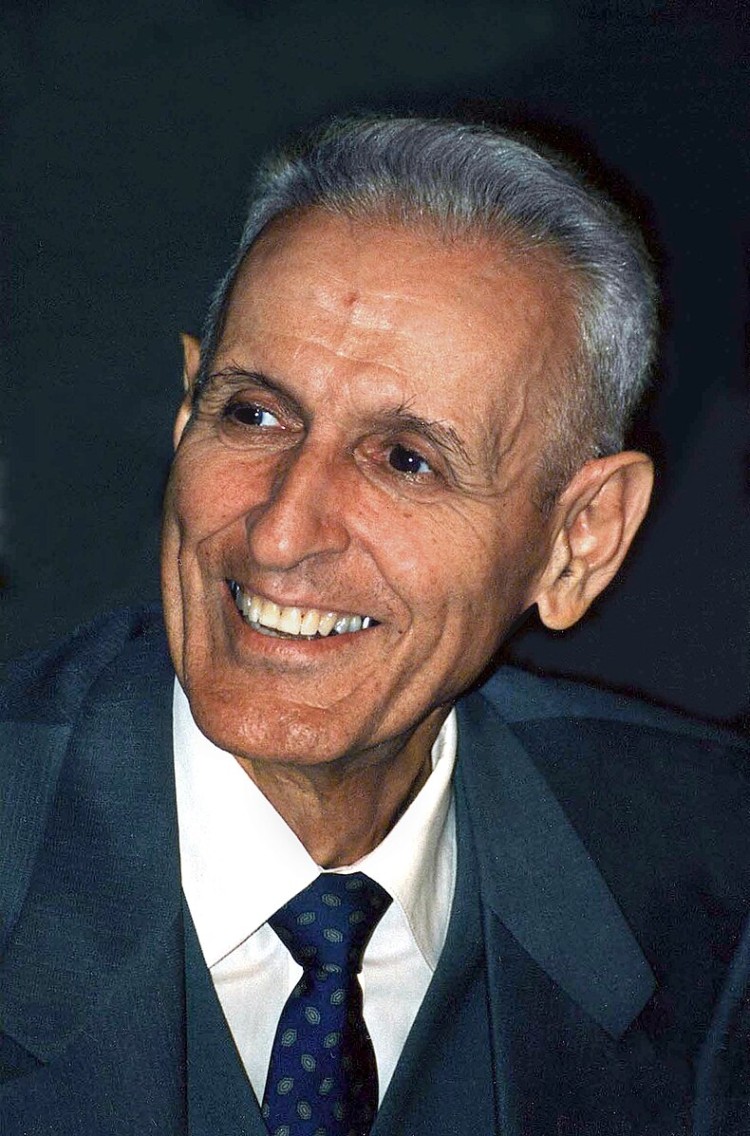
'Je ne suis pas un assassin' by Frédéric Chaussoy

Frédéric Chaussoy
Dr Frédéric Chaussoy, the intensivist who made the decision to turn off Vincent Humbert’s life support machine, shares his story in this short, powerful text. Blending a first-person account of the events leading up to Vincent’s death with engaged writing and insights from Chaussoy’s family, the text is an ardent defence of the doctor’s actions and calls France to do better at accompanying death.
'Obituary' by Sathya Dhara Kovac
Sathya Dhara Kovac
In this self-written obituary to her loved ones, Sathya Kovac condemns the societal structures that led to her death by medical assistance in dying on October 3, 2022, at the age of 44. Sathya points not to amyotrophic lateral sclerosis (ALS) as the cause of her death, but rather the lack of supports and services that would have promoted her independence and quality of life.
'Alisa pokupaet smert'' by Liudmila Ulitskaia

Liudmila Ulitskaia
Alisa, an elderly woman, faces a minor medical incident that prompts her to confront the prospect of dying alone. Determined to retain control over her final chapter, she obtains a bottle of barbiturates from a physician. She then falls in love with and marries him. After his tragic death, she adopts his grandchild, and embarks on a new chapter of her life.
'Lettre à D. Histoire d’un amour' by André Gorz
André Gorz
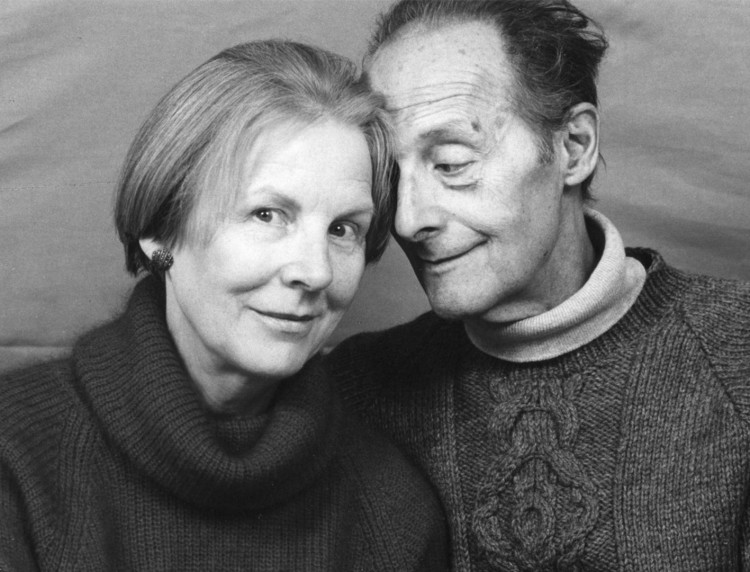
The social philosopher André Gorz cared for his ill wife Dorine for two decades. In 2007, they took their own lives together. A year earlier, Gorz had published a narrative public love letter to his wife which was subsequently read by both the media and assisted dying interest groups as a farewell letter and explanation of their motivation for suicide.
'Mala carne' by Sofía Almiroty
Sofía Almiroty
In Sofía Almiroty’s debut novel, Ariana takes her grandmother Rosa, whose skin is ravaged by a rare cancer, to say goodbye to the town where Rosa grew up; they hope to have enough morphine to keep the pain at bay. Set in Argentina, the novel was published in Spain, where assisted dying has been legal since 2021 – as opposed to Argentina, where it remains a crime.
'Le tout dernier été' by Anne Bert
Anne Bert
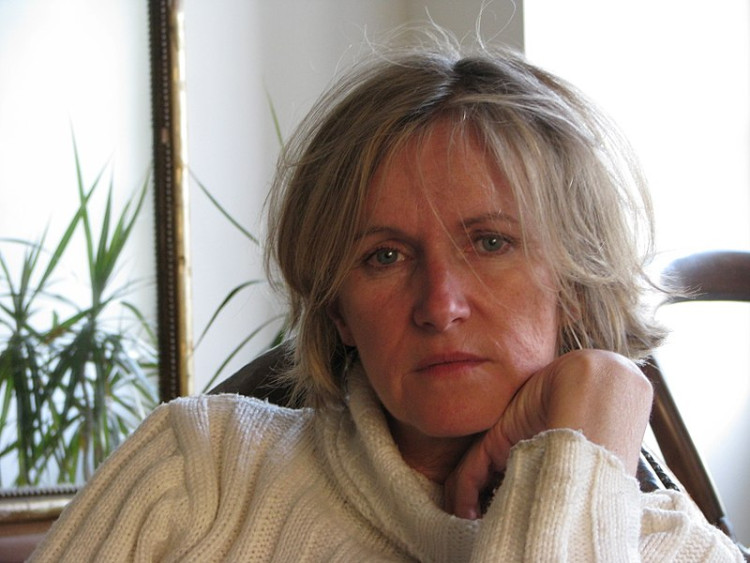
French author Anne Bert sees the right to choose her own time of death as a fundamental human right, and this is her story of invoking that right by travelling from France to Belgium to receive an assisted death.
‘Ma vérité sur l’affaire Vincent Lambert’ by Éric Kariger
Éric Kariger (with Philippe Demenet)
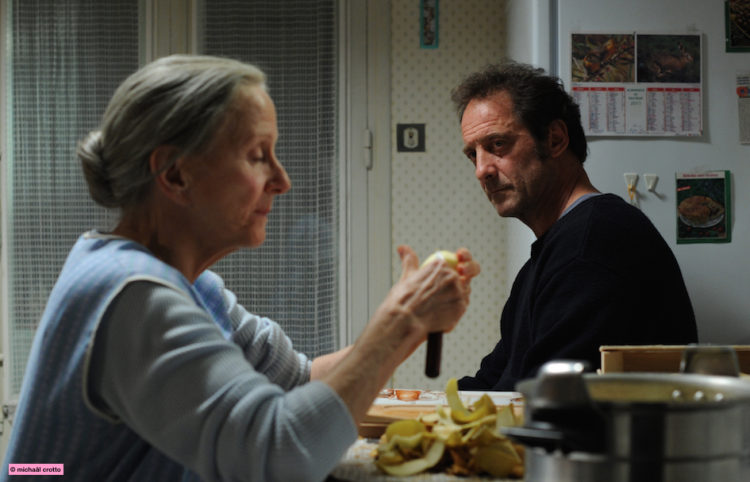
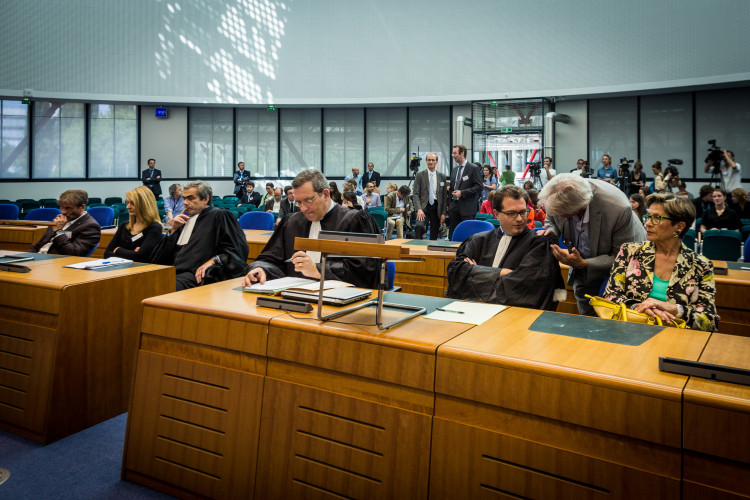
In this short text, Vincent Lambert’s former physician, Éric Kariger, shares his version of the events that led to the ‘Vincent Lambert affair’, a legal and media storm that followed the decision to withdraw the interventions that were artificially sustaining Vincent’s life. In question-and-answer format, the text presents Kariger’s truth, seeking to clear his name in the courts of public opinion.


The last words of María Benito

María Benito
After a legal battle to ratify her right to refuse treatment, María Benito had her artificial vital support systems removed and died, becoming the second person in Peru to win a constitutional appeal for the right to die. Benito’s last words, communicated via a device that tracked her eye movements, were first shared on social media and then reported by multiple news sources.
'Ma dernière liberté: Journal d’une mort décidée' by Jean-Marie Lorand
Jean-Marie Lorand
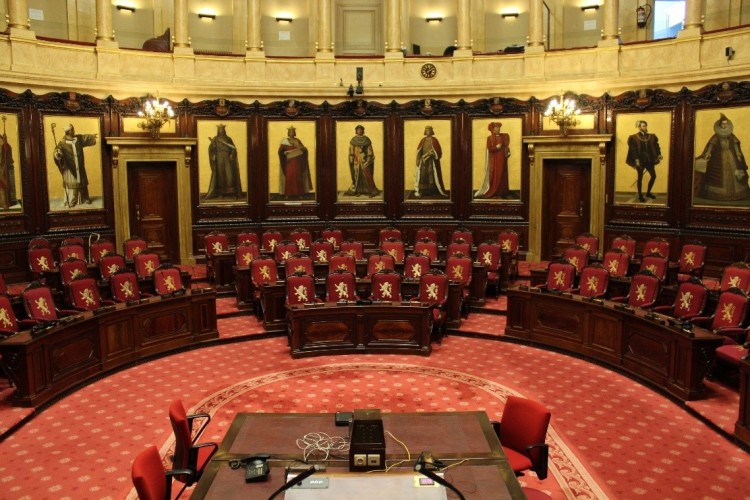
This text is a published version of the diary kept by former journalist and parliamentary aide, turned assisted dying activist, Jean-Marie Lorand during the last months of his life. Lorand was an influential figure in public debate and his testimony was shared during the hearings in the Belgian Senate prior to the introduction of the country’s Act on Euthanasia (2002).



'Muttertag' by Ralf Schlatter
Ralf Schlatter
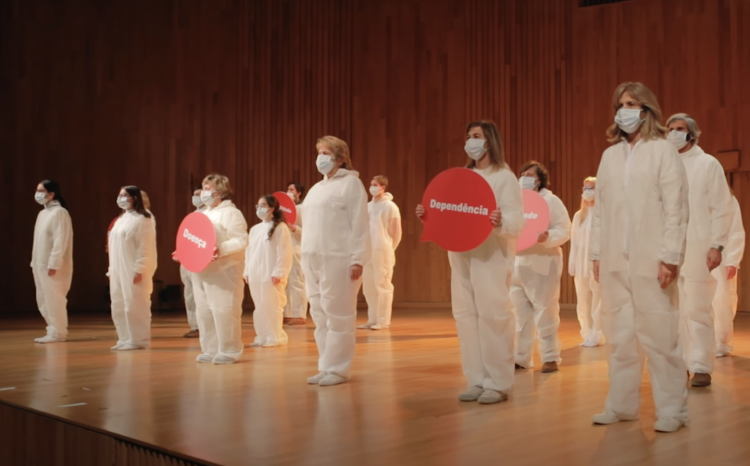
A man takes a walking trip towards his mother’s house to help her to die. During this one-day trip in her direction, he remembers his childhood and his mother, and tries to understand her decision to opt for an assisted death.

'At His Own Wake, Celebrating Life and the Gift of Death' by Catherine Porter

Catherine Porter
In this New York Times cover story, Catherine Porter recounts the assisted death of John Shields, an activist, environmentalist, and union leader from Vancouver Island. The article appeared shortly before the one-year anniversary of the legalization of medical assistance in dying in Canada and explores how assisted death impacts the rituals surrounding death.
'By the Time Your Read This, I’ll Be Dead' by John Hofsess
John Hofsess
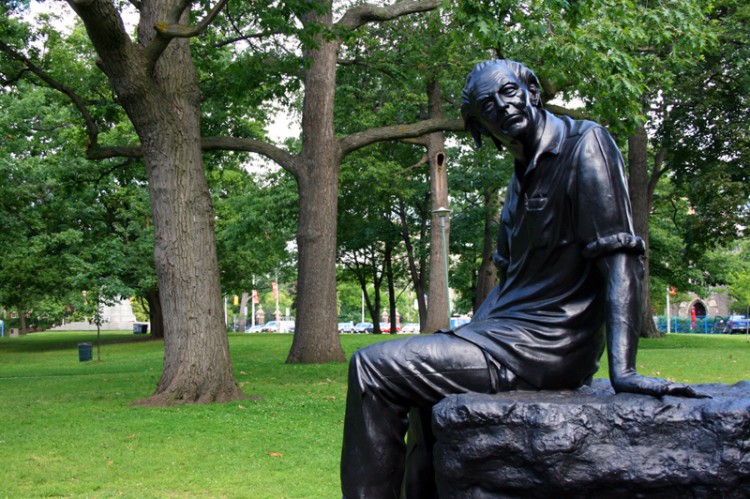
In this article, right to die activist John Hofsess reveals that he illegally helped eight people kill themselves from 1999 to 2001, including the Canadian poet Al Purdy. Hofsess portrays himself in a positive light, as a hero of the assisted suicide cause, but a 2022 article by journalist Sandra Martin casts doubt on both his character and motivations.


'Hace un año murió mi padre' by Florencia Salgueiro
Florencia Salgueiro
In 2021, Florencia Salgueiro wrote a viral social-media thread about her father Pablo, who slowly died from ALS while wishing he could access euthanasia. Florencia became the visible face of the pro-euthanasia movement in Uruguay, the first Latin-American country to carry out a comprehensive euthanasia reform – and Florencia’s thread would become part of the parliamentary records.

'Ein Mann seiner Zeit' by Roswitha Quadflieg

Roswitha Quadflieg
Roswitha Quadflieg’s novel tells the story of Paul Gärtner who, in his mid-seventies and reliant on a wheelchair after battling cancer, records his life story and advocates for the right to access sodium pentobarbital for those seeking to end their lives on their own. The novel was received with praise from advocacy groups in Germany and Switzerland.

'After' by Nikki Gemmell

Nikki Gemmell
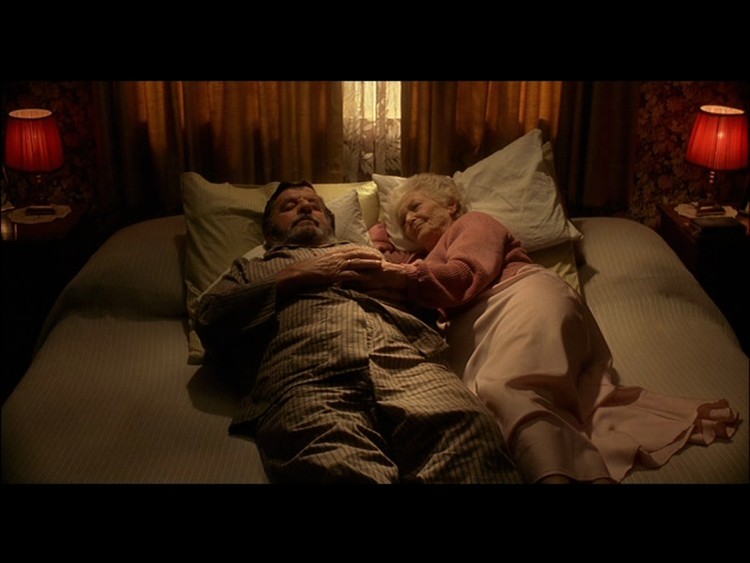
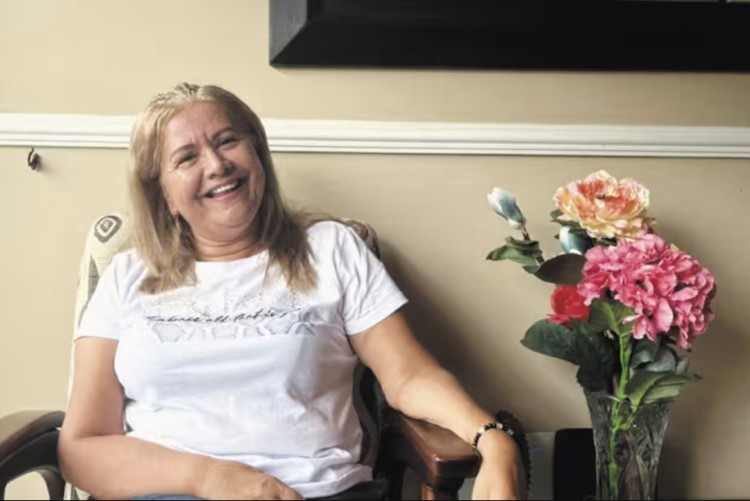
This memoir by Nikki Gemmell explores her mother Elayn’s unexpected suicide in reaction to chronic pain and the subsequent fallout. Elayn was a member of Exit International and Gemmell’s high-profile story was part of the national conversation on legalising assisted dying in Australia.


'As intermitências da morte' by José Saramago
José Saramago
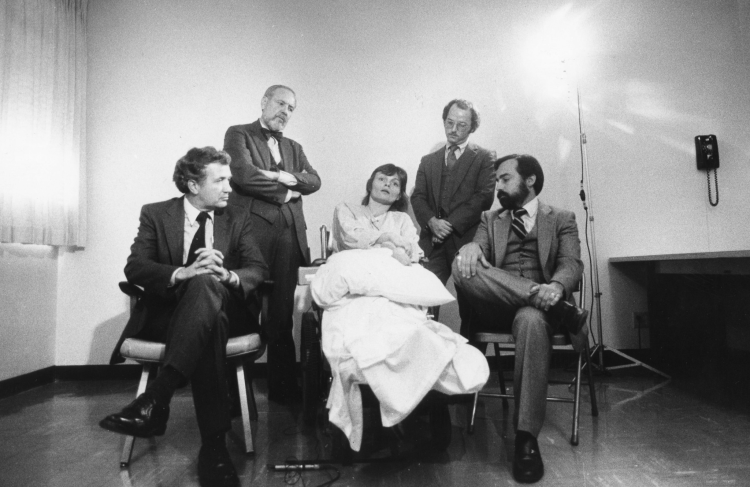
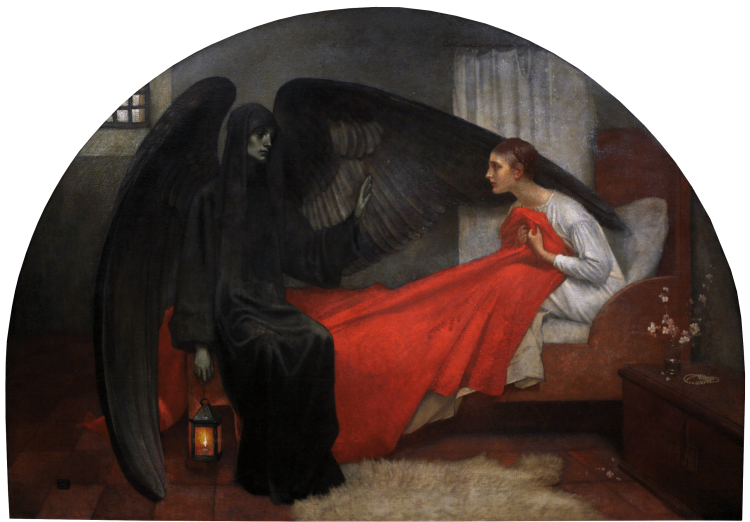
‘As intermitências da morte’ by Portuguese writer José Saramago explores the economic, political, religious, and ethical questions that would be raised if, suddenly, people stopped dying. Distinguishing between ‘to kill’ and ‘to give death’, this allegorical novel was invoked in the debate on the legalization of assisted dying in Portugal and of orthothanasia in Brazil.
'Winter in Gloster Huis' by Vonne van der Meer

Vonne van der Meer
In this novel set in 2024, the ‘Done with Life Act’ is law in the Netherlands, permitting assisted suicide for those who consider their lives complete. At the same time, two brothers receive a huge inheritance. One starts a farewell hotel, which facilitates a self-chosen death; the other starts an extended-stay hotel, where people are surrounded by care and attention until their natural passing.
'When My Doctor Offered to Help Me Take My Life' by Bill Gardner
Bill Gardner
In this blog post, Bill Gardner shares the story of being offered an assisted death as treatment for throat cancer. Drawing on his background as a mental health services researcher, Bill criticizes Canada’s approach to medical assistance in dying as contrary to efforts to prevent suicide and to protect vulnerable people.
'Komt een vrouw bij de dokter' by Kluun
Kluun
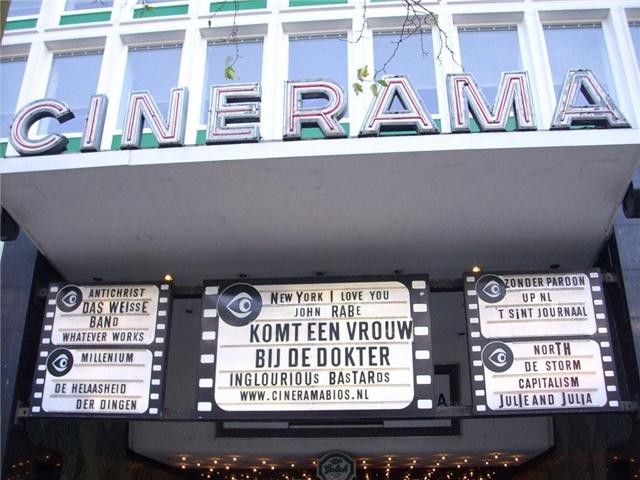
In this novel, Stijn, a wealthy and successful man in advertising, struggles to cope with his wife Carmen’s cancer diagnosis and illness, and ultimately begins a passionate affair with another woman. As Carmen chooses to end her life, assisted death is one of the novel’s topics; yet, readers and viewers of the film adaptation had more to say about Stijn’s behaviour and actions than Carmen’s.

'Intervals' by Marianne Brooker

Marianne Brooker
Having lived with a progressive form of multiple sclerosis for ten years, Marianne Brooker’s mother voluntarily stopped eating and drinking, a legal approximation of assisted dying in the UK. Brooker’s long-form essay about her mother’s decision and her own experience caring for her at the end positions Brooker’s demand for assisted dying options within wider issues of social justice.
‘The Last Doctor: Lessons in Living from the Front Lines of Medical Assistance in Dying’ by Dr.…

Dr. Jean Marmoreo, Johanna Schneller
Dr. Jean Marmoreo, a family doctor working in Toronto, recounts how she came to provide assisted dying through the stories of seven patients. Co-authored by journalist Johanna Schneller, this memoir explores the challenges that assisted dying practitioners faced following legalization of the procedure in Canada and was a finalist for the 2022 Balsillie Prize for Public Policy.
'Accabadora' by Michela Murgia
Michela Murgia
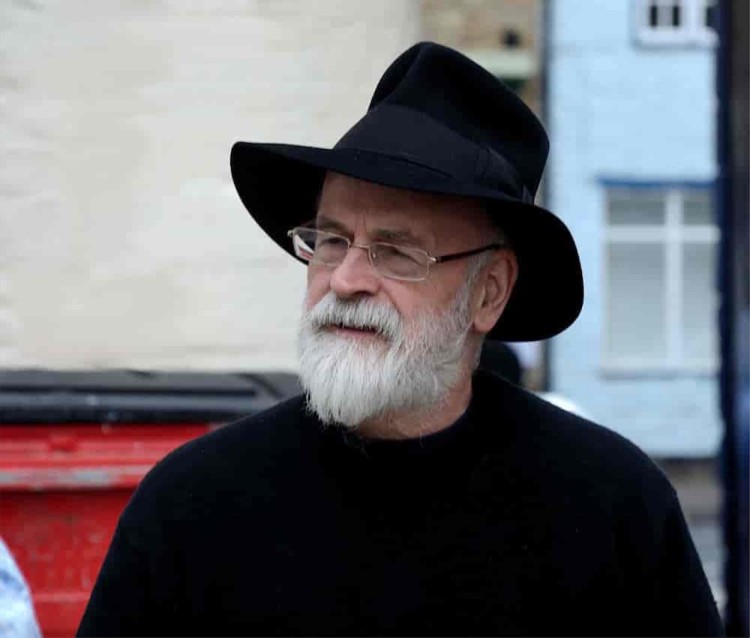
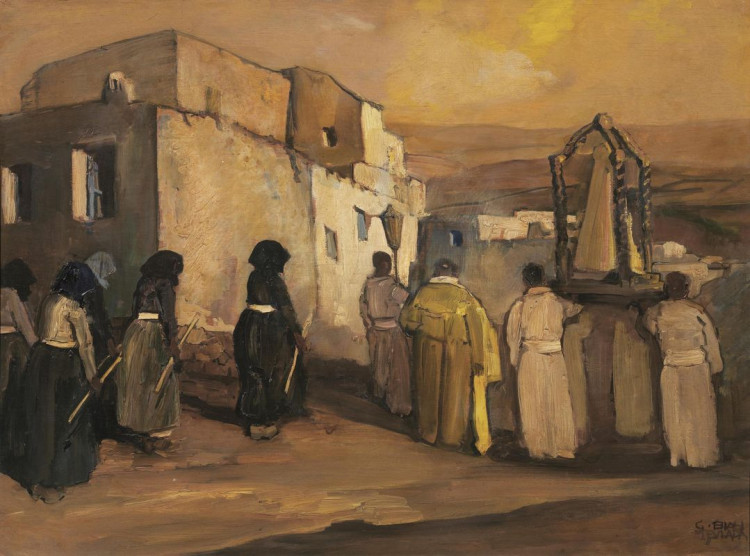
Michela Murgia’s novel ‘Accabadora’ follows Maria, a ‘soul-child’ informally adopted by Bonaria, a seamstress who is also a traditional Sardinian mercy-killer. Blending folklore with the post-war reality of the 1950s, the book explores motherhood, invisible female labour, and the ethics of euthanasia, and is often evoked in the contemporary Italian cultural and legal debate on assisted suicide.
'Cien cuyes' by Gustavo Rodríguez

Gustavo Rodríguez
Eufrasia Vela cares so well for the affluent elderly in Lima, that they start asking her to assist in their deaths – and the ensuing dilemmas propel Gustavo Rodríguez’s novel ‘Cien cuyes’. Approaching the problem of loneliness in aging societies with humour and without judgement, the novel has sparked debate on assisted dying at the nexus of class, caregiving, and community.
Facebook posts and livestreams by Fu Ta-Jen and Fu Chun-Hao

Fu Ta-Jen, Fu Chun-Hao
Taiwanese broadcaster Fu Ta-Jen, diagnosed with pancreatic cancer, chose to have a physician-assisted death in Switzerland on June 7, 2018, with witnesses present. While there is no existing law regarding assisted dying in Taiwan, his decision sparked societal debate on the right to die, largely fueled by his continuous advocacy on Facebook.

'In Love: A Memoir of Love and Loss' by Amy Bloom

Amy Bloom
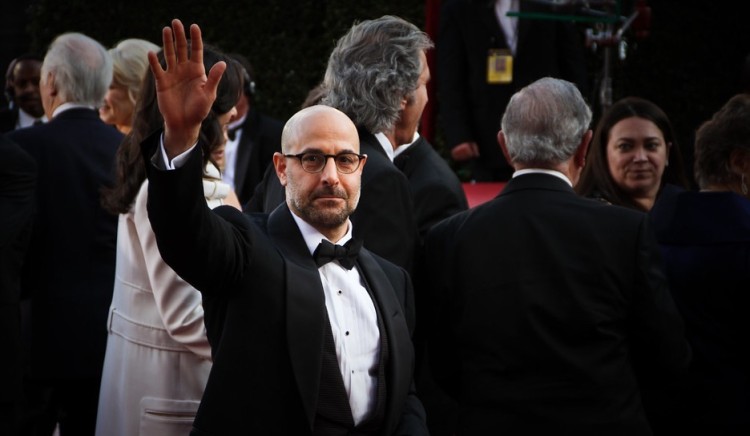
In her memoir In Love, Amy Bloom recounts the story of her husband’s death at Dignitas, an accompanied suicide organization in Switzerland, after his diagnosis with early-onset Alzheimer’s disease. Woven into Amy’s account of Brian’s illness and death are poignant and darkly funny vignettes of their marriage, and of Amy’s struggle to fulfil Brian’s request for an assisted death.




'The Easy Way Out' by Steven Amsterdam

Steven Amsterdam
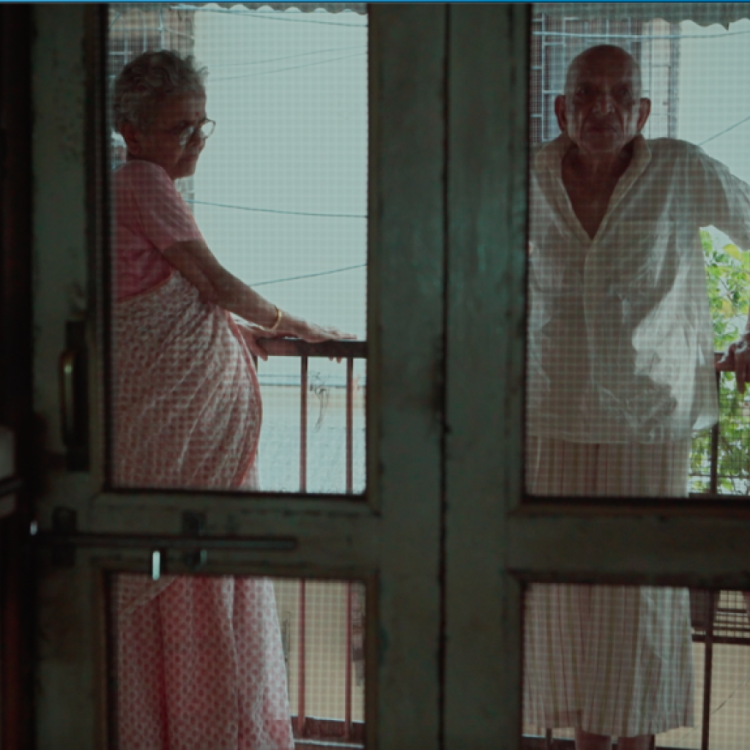
Written by a writer who is also a palliative care nurse, this tragicomic novel examines what life might be like for someone working as a dying assistant if Australia legalised assisted dying. It was published in 2016, just as Australia was beginning to seriously consider legalisation at both the state and federal level.
'Door eigen hand. Zelfmoord en de nabestaanden' by Joost Zwagerman
Joost Zwagerman
In this book of essays and interviews on suicide, writer Joost Zwagerman argues that medically assisted dying for psychological reasons is unwarranted. The author, who took his own life in 2015, has been a prominent voice in Dutch discourse surrounding this issue.
'SuissID' by Vincent Gerber

Vincent Gerber
Set in Switzerland, in an unspecified future, the company SuissID is active in the field of assisted suicide. Despite a veneer of customer service, the only thing that counts for them is financial success; due care criteria and the protection of life no longer play a role in this dystopian society.


'Bis dass der Tod' by Jens Petersen
Jens Petersen
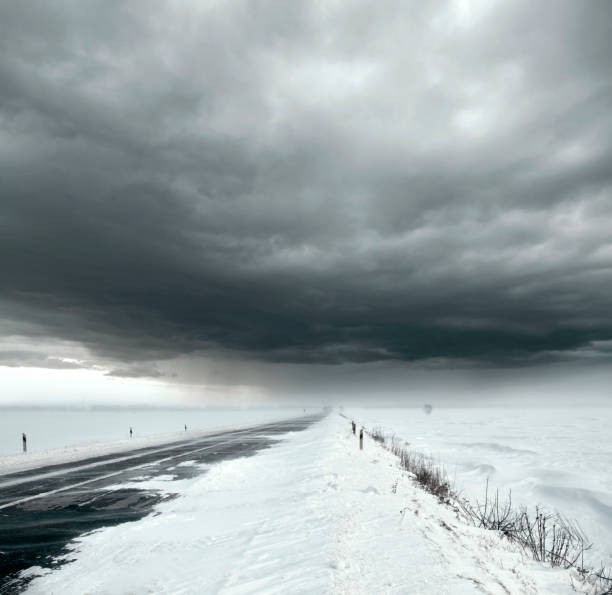
Nana is seriously ill and completely dependent on the care of her partner Alex. They leave the caravan where they live by car and stop in a field, where Alex kills Nana with a shot to the head, but subsequently fails to shoot himself as planned. The ending remains open, but it is suggested that Alex will take his own life after all.

'Arbeit und Struktur' by Wolfgang Herrndorf
Wolfgang Herrndorf
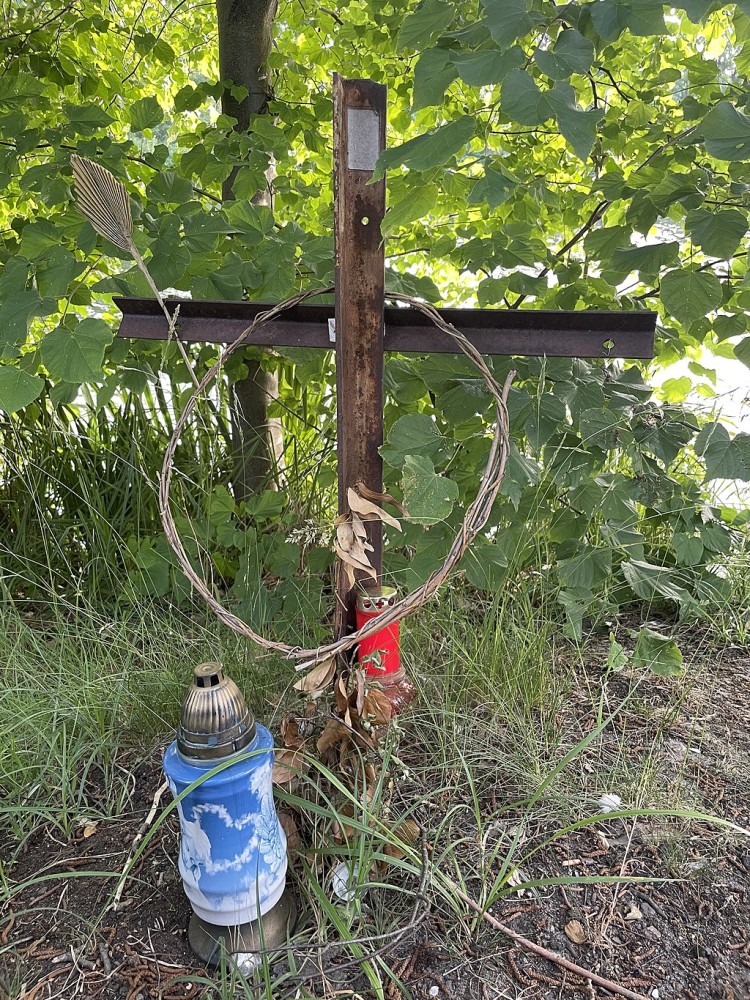
After being diagnosed with a malignant brain tumour, Wolfgang Herrndorf began writing a blog in 2010, in which he reflected on how he coped with the illness. Published as a book in 2013 following his suicide by firearm, the text has been interpreted as a forceful advocacy for the right to assisted dying and has been cited in political debates as a powerful plea by supporters of its legalisation.
'A Good Death' by Jason Warick
Jason Warick; CBC News
A Good Death is a profile of Saskatoon artist Jeanette Lodoen before, during, and after her death by medical assistance in dying. She granted CBC News unrestricted access to herself and her family in her final days because she wanted to share what an assisted death is like with families, health professionals, and lawmakers.

‘Die Glückssucherin. Warum Margrit Schäppi einen Lebensratgeber schrieb und trotzdem den Freitod…

Margrit Schäppi and Matthias Ackeret
The book is a life advisor written by 81-year-old Margrit Schäppi based on her own life story. Before publication, she took her life with the aid of a Swiss assisted suicide organisation. This prompted Matthias Ackeret not only to arrange for it to be published, but also to write an epilogue in which he harshly criticises the Swiss assisted suicide model.

'Tanner geht' by Wolfgang Prosinger
Wolfgang Prosinger
51-year-old Ulrich Tanner, who lived in Cologne, suffered from various incurable diseases and took his own life in Switzerland with the help of the organisation Dignitas. Journalist Wolfgang Prosinger accompanied and interviewed Tanner in his last months and wrote a book about his life and his decision to commit assisted suicide.

'Dies Irae' by Danièle Saint-Bois
Danièle Saint-Bois
Following two extremely difficult years suffering with cancer, artist Alicia D. decides she wants to end her life. With the help of her doctor and a nurse, who is also a love interest, Alicia receives an actively hastened death, beyond the provisions of the 2005 Leonetti Law.

'Liebe bis in den Tod' by Barbara Bronnen

Barbara Bronnen
Emmanuel and Käthe Forster have been married for decades when Käthe asks her husband to help her die because she can no longer bear her life due to various diseases. Forster kills her with a shot to the head, but cannot bring himself to take his own life afterwards as planned. He has to stand trial for manslaughter, but Judge Joos releases him with a lenient sentence.
'Los' by Tom Naegels

Tom Naegels
Antwerp journalist Tom’s grandfather, Bob, has cancer and would like to receive euthanasia. However, he does not meet the criteria of hopeless and unbearable suffering set by Belgian law. Although Tom and his mother advocate for Bob’s right to self-determination, this has little effect. The novel provides a critical reflection of the criteria outlined in Belgian euthanasia law.


'Cartas desde el infierno' by Ramón Sampedro
Ramón Sampedro
A collection of letters, poems, and essays, Ramón Sampedro’s ‘Cartas desde el infierno’ constitutes a philosophical treatise on the ethics of euthanasia. Written over decades – between the 1968 accident that left Sampedro tetraplegic and the 1996 first edition – the book became a landmark work on the right-to-die debate, influencing the 2021 legalization of assisted death in Spain.


'O último abraço' by Vitor Hugo Brandalise
Vitor Hugo Brandalise
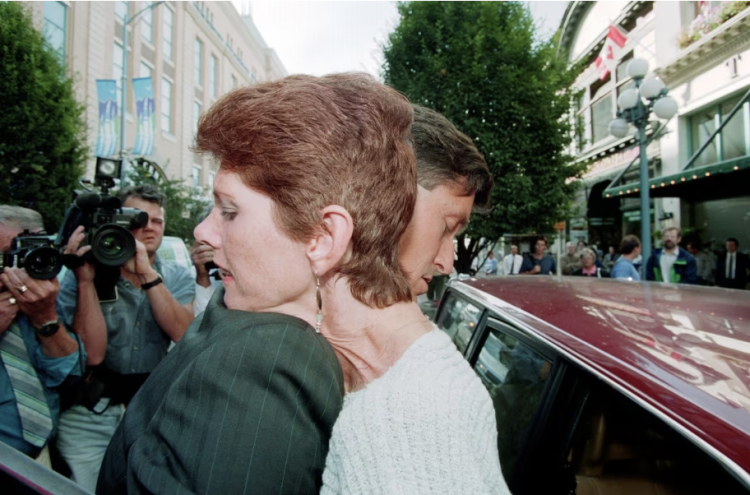
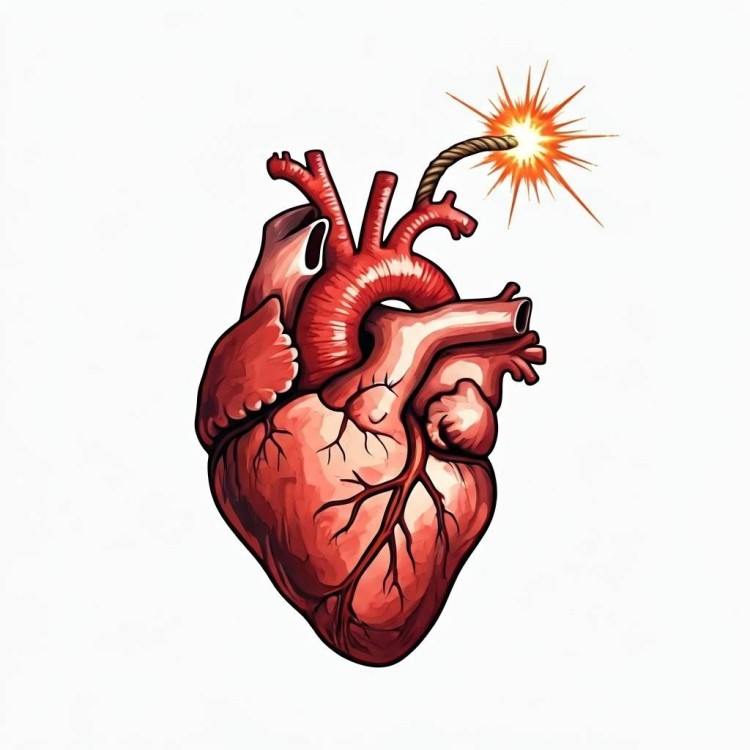
In 2014, 74-year-old Nelson Golla complied with his wife Neusa’s request to die; Neusa was 72 and being fed through a nasogastric tube at a nursing home. Nelson hugged his wife and placed a homemade bomb between them, which killed Neusa and hurt him. The case is reconstructed by Vitor Hugo Brandalise in this book-length investigation, which fomented a debate about old age and euthanasia in Brazil.
'Deséenme un buen viaje' by Gina Montaner
Gina Montaner
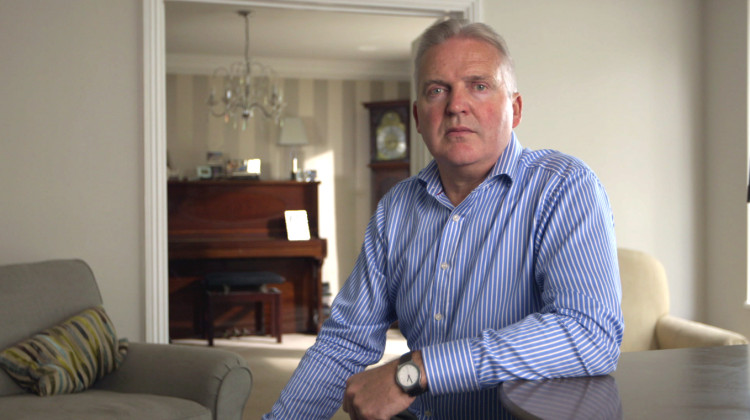
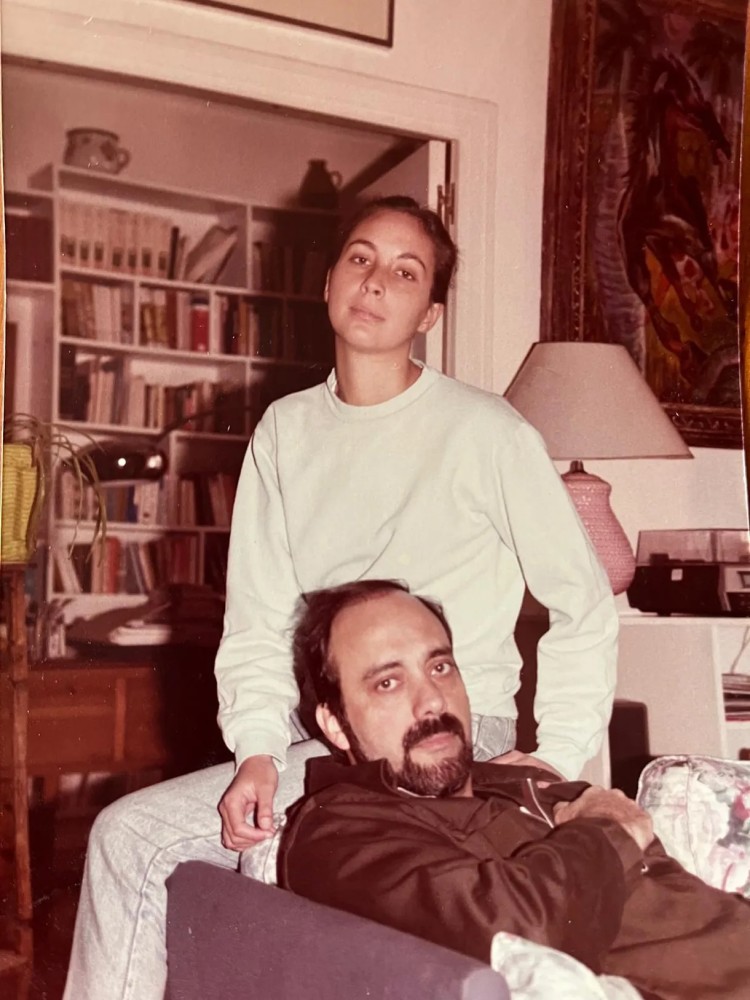
About to turn 79 and suffering from what seemed to be Parkinson’s, the Cuban-Spanish writer Carlos Alberto Montaner asked his daughter to help him seek an assisted death. In this memoir, Gina Montaner recounts how her father, as a political exile, fought for democratization in Cuba and, as a naturalized citizen, for the right to access legal euthanasia in Spain.

'Die Fliegengöttin' by Hansjörg Schertenleib

Hansjörg Schertenleib
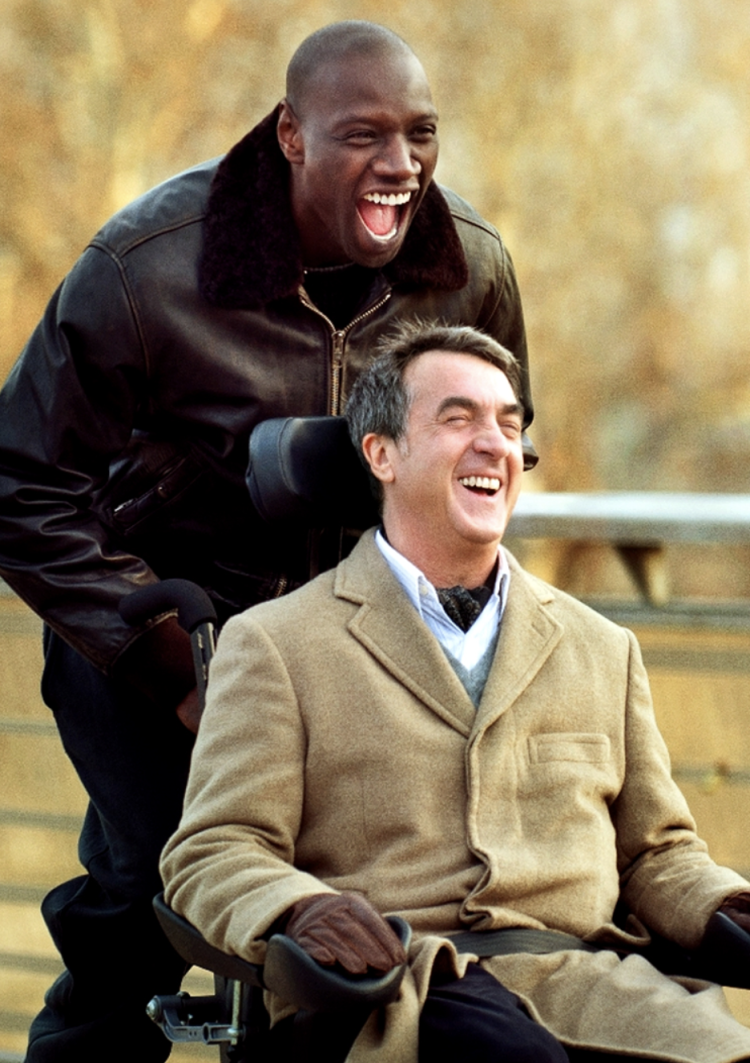
Willem and Eilis de Witt have been married for over 50 years when Eilis is diagnosed with Alzheimer’s disease. Willem has already been caring for his wife for two years, but is now reaching the limits of his resilience. While he had promised his wife he would euthanize her if this ever became the case, he refrains from doing so at the last moment.
'Del otro lado del jardín' by Carlos Framb
Carlos Framb
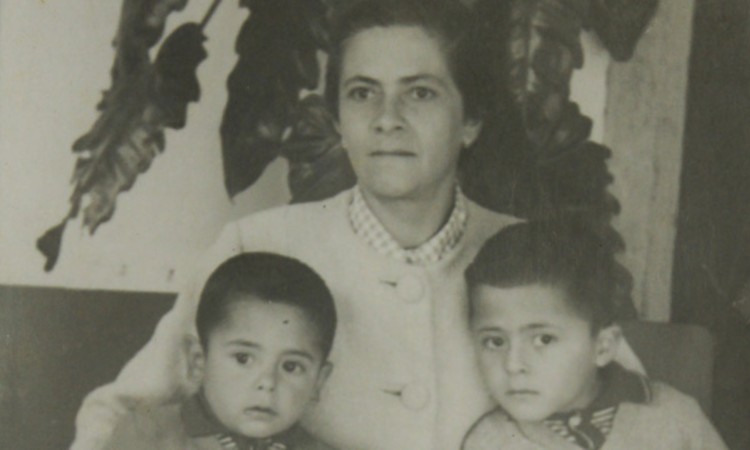
After assisting in his mother Luzmila Alzate’s death in 2007 and unsuccessfully attempting suicide, the poet Carlos Framb found himself accused of homicide. This memoir recounts Framb’s legal saga, his relationship with his mother, and defends the right-to-die in the context of Colombia, that had decriminalized euthanasia in 1997 but not yet created guidelines for assisted dying.
'This is Assisted Dying' by Stefanie Green, MD

Stefanie Green, MD
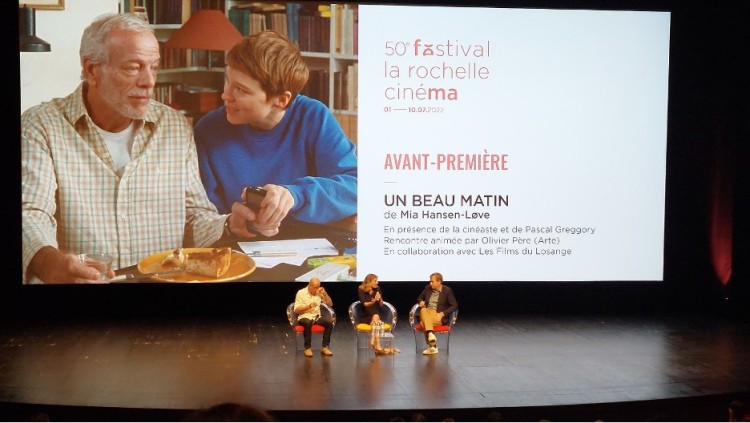
In this memoir, Dr. Stefanie Green chronicles her first year providing medical assistance in dying (MAID) immediately following the procedure’s legalization in 2016. Dr. Green is one of Canada’s leading MAID providers and is the founding president of the Canadian Association of MAID Assessors and Providers.
'Pensión Babilonia' by Adolfo Macías Huerta

Adolfo Macías Huerta
Macías Huerta’s ‘Pensión Babilonia’ uses a split narrative to explore grief and ethics through an assisted-suicide society: while Laura loses her grasp of reality after her daughter’s death, her husband Dante dives into the challenge of rebranding the secret group. Portraying media manipulation and the spectacle of death, the novel won a 2013 prize from Ecuador’s Ministry of Culture.
'Dying: A Memoir' by Cory Taylor
Cory Taylor
Written as Cory Taylor was dying, this memoir explores her relationship with death, her perspective on her family and childhood, and her wish, illegal in Australia at the time, that she could have an assisted death with her family present. Media coverage of the book focused on Taylor’s detailed argument for legalisation and her quietly confrontational confession about ordering Nembutal from China.

'La luz difícil' by Tomás González

Tomás González
Suffering unbearable pain after a traffic accident left him paraplegic, Jacobo has decided to die in Oregon, where a doctor is willing to assist him; in the meantime, his Colombian-immigrant parents anxiously await news in NYC. Told from the perspective of the painter David, Jacobo’s ageing father, González’s 2011 novel has sparked discussions about assisted dying in Colombia and beyond.
Goodbye letter by Antonio Cicero
Antonio Cicero
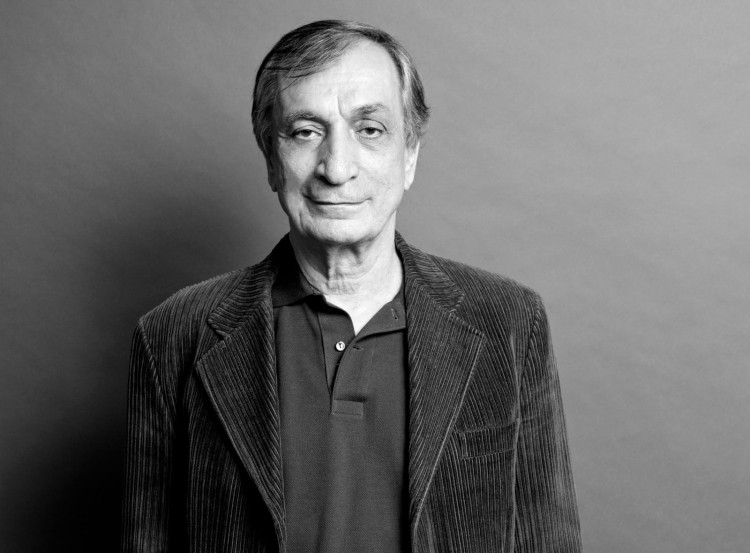
After the Brazilian poet and philosopher Antonio Cicero received a medically assisted death in Switzerland in 2024, multiple news sources reproduced his goodbye letter, in which the writer explains the reasons for ending his life. Cicero’s letter struck a nerve with Brazilian society, revealing the need to discuss the ethics and legality of self-determination in death in Brazil.

'Je vous demande le droit de mourir' by Vincent Humbert
Vincent Humbert (with Frédéric Veille)
Following a life-changing accident, which left Vincent Humbert paraplegic, blind and mute, the young man decided that he wanted to end his life and wrote to the French President in search of help. This text is his story, one of the most significant in the history of the assisted dying debate in France.

‘Trascolorare’ by Daniele Pieroni
Daniele Pieroni
The 64-year-old poet Daniele Pieroni was the first Tuscan resident to end his life by assisted suicide following the 2025 regional law regulating the procedure. His meditation on death known as ‘Trascolorare’, online since 2021, gained widespread circulation as a poetical testament, becoming entangled with the legal battles for assisted dying in Italy.


'TI SI WHAT TI SI' by Paola Roldán
Paola Roldán
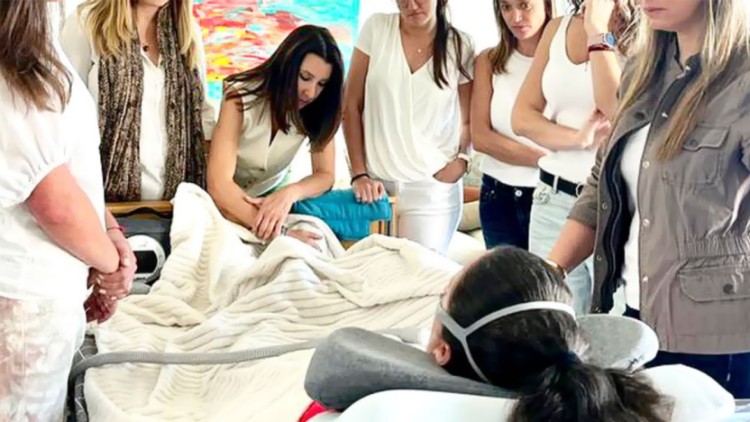
Published two years before her constitutional victory for the right to die, Paola Roldán’s memoir narrates her journey of self-discovery and of living with ALS, a chronic disease that left her paralyzed and dependent on a respirator. Dedicated to her son and having a spiritual dimension, the 2022 book helped promote Roldán’s plea for self-determination in Ecuador’s religious-political landscape.
'Het refrein is Hein. Dagen uit een verpleeghuis' by Bert Keizer
Bert Keizer
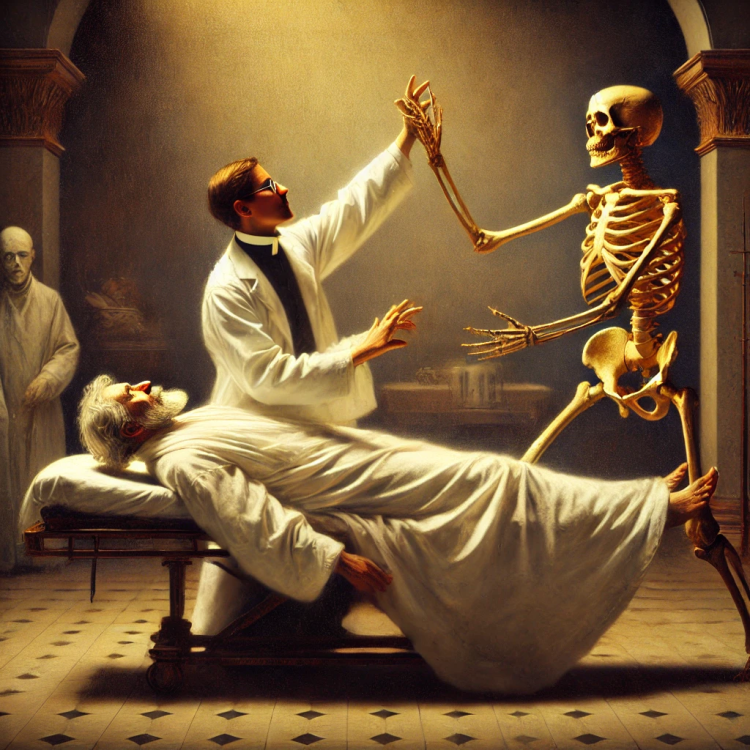
In Het refrein is Hein by Bert Keizer, Anton, a physician in the nursing home De Liefdeberg, describes his daily interactions with colleagues, and patients and their loved ones. Anton provides an unvarnished look at ageing, suffering, and the inevitability of death while reflecting, and in turn inviting the reader to reflect, on ethical dilemmas such as that of assisted dying.
‘Wild and Precious Life’ / ‘A Mother’s Love’ by Deborah Ziegler

Deborah Ziegler
Deborah Ziegler’s book provides an intimate portrait of her daughter, activist Brittany Maynard, from childhood until her death. The book became somewhat controversial due to Brittany’s reported desire that her mother not tell her story. Nonetheless, through her involvement with Death With Dignity, Deborah Ziegler has become an important figure in the US assisted dying lobby.
'Schlemm' by Nicola Bardola

Nicola Bardola
The elderly spouses Paul and Franca Salamun have decided to die together with the help of an assisted dying organisation. Paul suffers from bladder cancer, Franca is tired of living and does not want to stay behind without her husband. Although their son Luca can understand the decision, it is difficult for him to find a way to emotionally process her death.